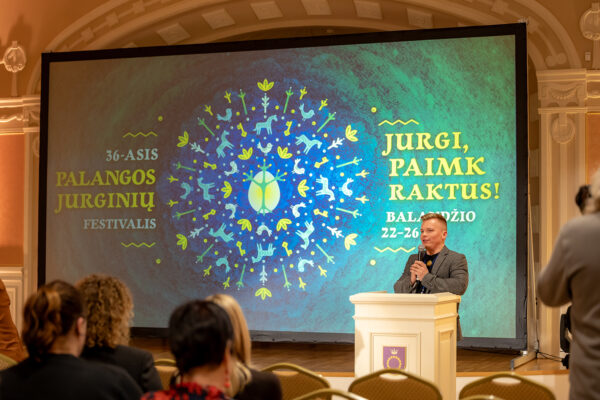
2026 m. balandžio 23–25 dienomis Palangoje vyko baigiamasis projekto „Kultūros galia“ (angl. The Baltic Cultural Centers Network „The Power of Culture“) partnerių susitikimas-konferencija, subūrusi kultūros centrų atstovus iš Lietuvos, Latvijos ir Estijos. Renginys tapo reikšmingu Baltijos šalių kultūros bendradarbiavimo etapu, apibendrinusiu projekto rezultatus ir išryškinusiu kultūros vaidmenį šiuolaikinėje visuomenėje. Susitikimas vyko Palangos Jurginių festivalio „Jurgi, paimk raktus!“ metu, kuris kvietė bendruomenę ir miesto svečius pasinerti į lietuviškų tradicijų vyksmą, pavasario atgimimo simboliką ir gyvąją kultūrą.
Projekto iniciatorius ir administratorius – Lietuvos kultūros centrų asociacija, partneriai: Latvijos kultūros centrų asociacija ir Estijos kultūros centrų asociacija. Projektas įgyvendinamas gavus finansavimą iš Šiaurės ir Baltijos šalių kultūros mobilumo programos (Nordic-Baltic Mobility Programme for Culture). Ši programa bendrai finansuojama Šiaurės ministrų tarybos ir Baltijos šalių kultūros ministerijų. Prie baigiamojo susitikimo organizavimo prisidėjo Palangos kultūros centras, o renginį iš dalies finansavo Palangos miesto savivaldybė.
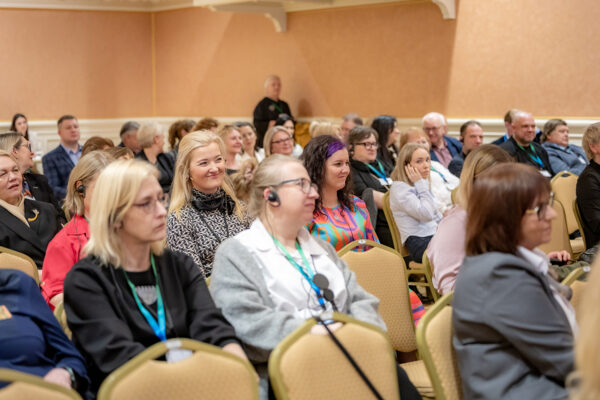
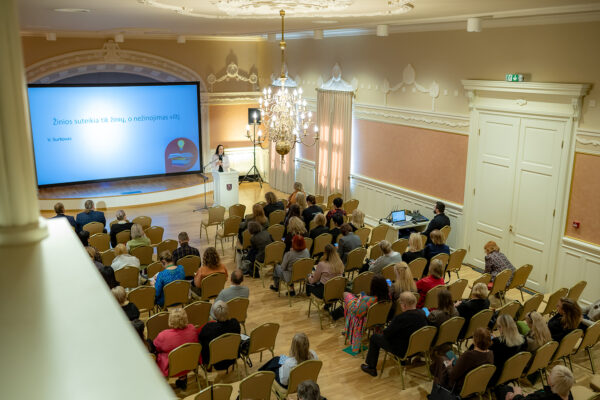
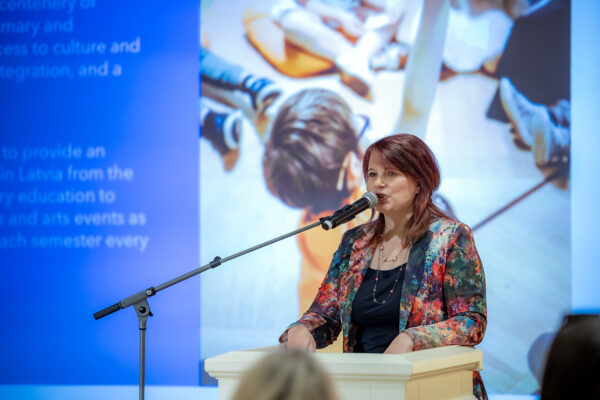
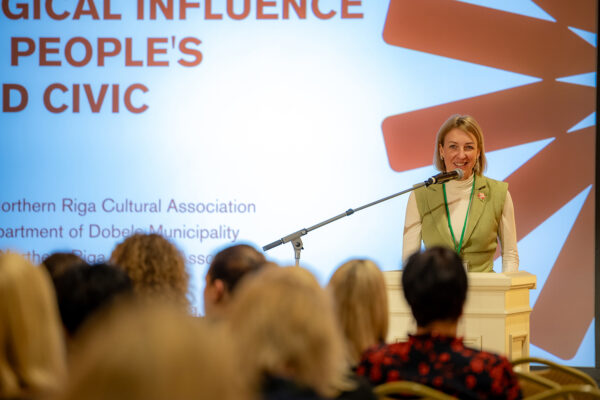
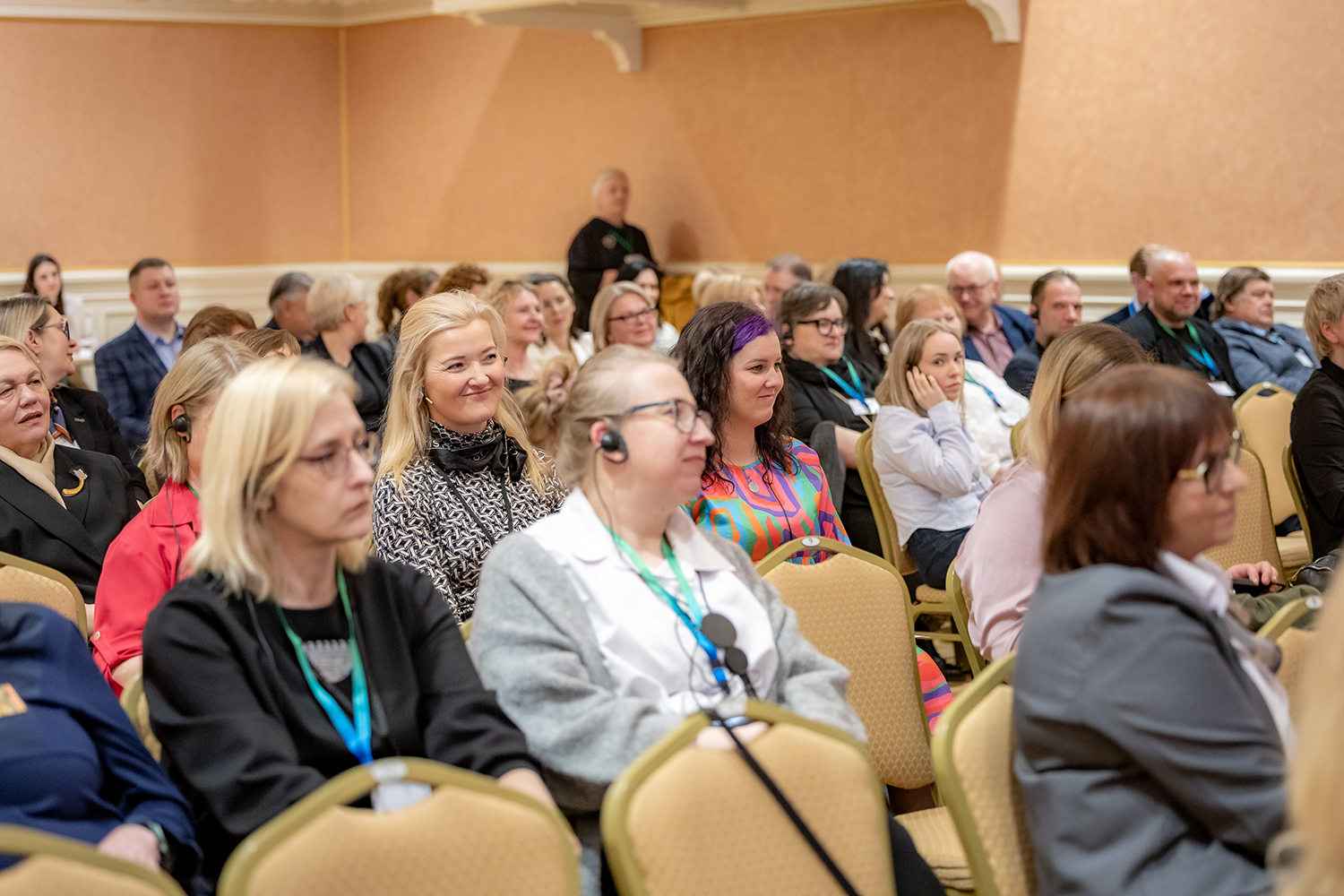
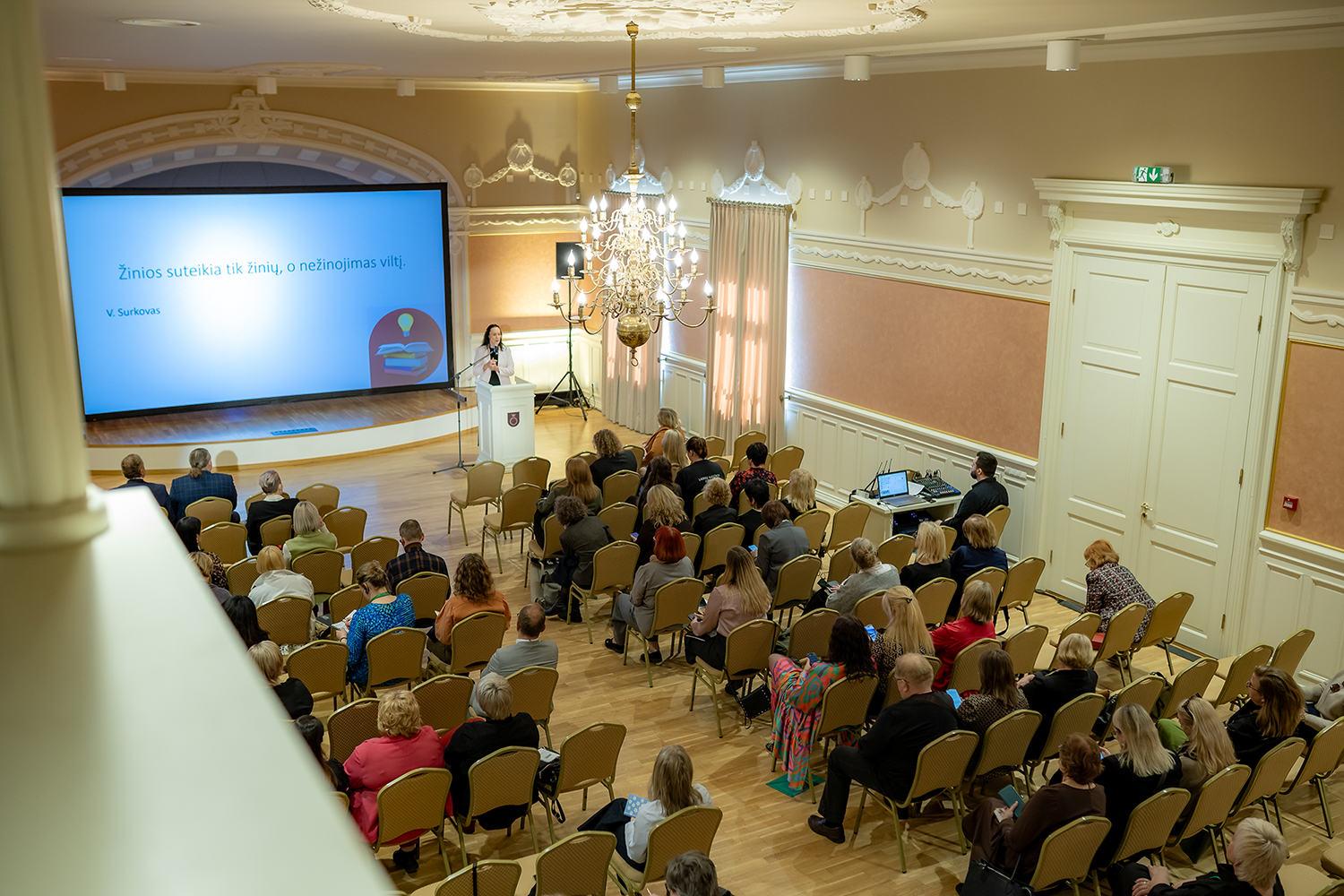
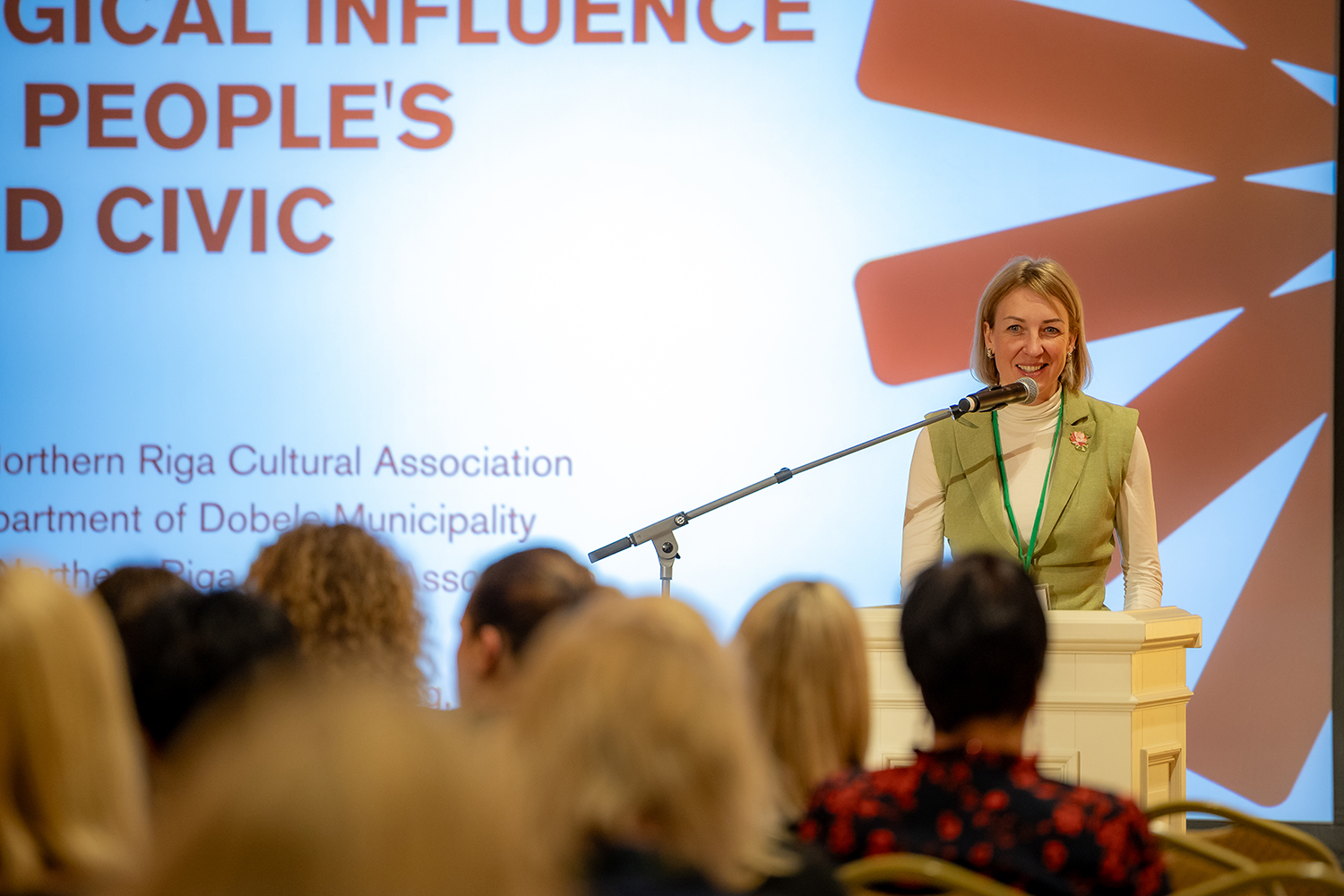
Pagrindinė, intensyviausia susitikimo diena vyko 2026 m. balandžio 24 d. Palangos kultūros centre (Kurhauze), kur buvo surengta konferencija „Psichologinė kultūros įtaka žmonių sąmoningumui ir pilietiškumui“. Konferencijoje dalyvavo ne tik projekto partnerių delegacijos, bet ir visos Lietuvos kultūros centrų bendruomenė.
Diena prasidėjo projekto dalyvių kūrybine laboratorija – projekto refleksija, kurios metu aptartas projekto poveikis, įgyvendinimo rezultatai ir numatytos tolesnės Baltijos kultūros centrų tinklo plėtros kryptys.
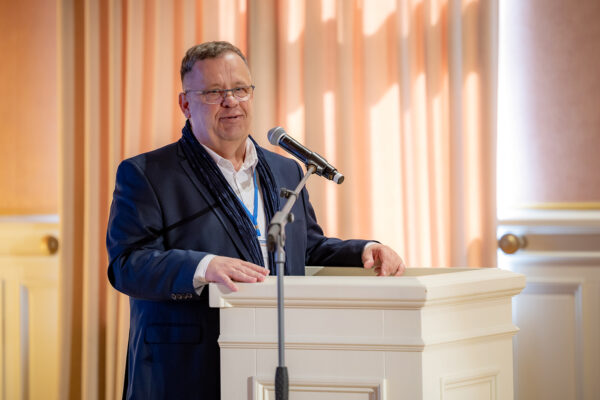
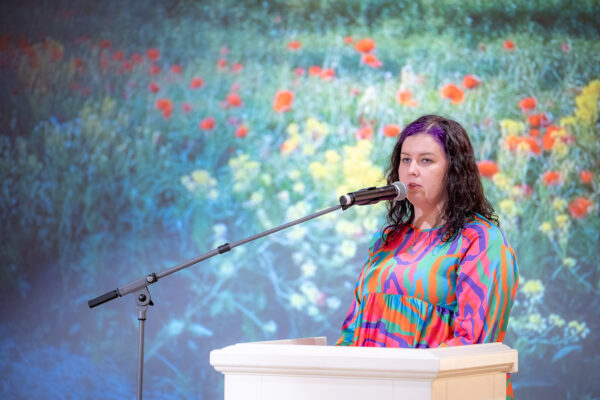
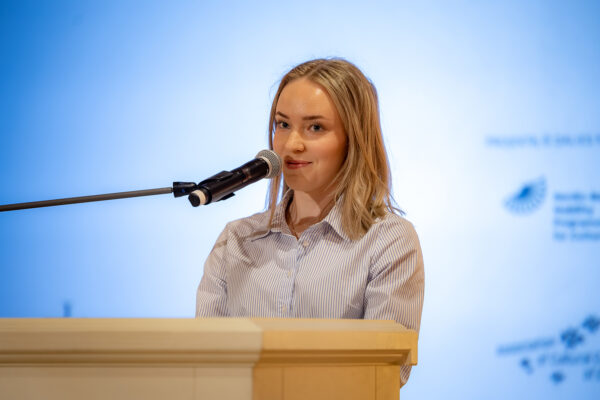
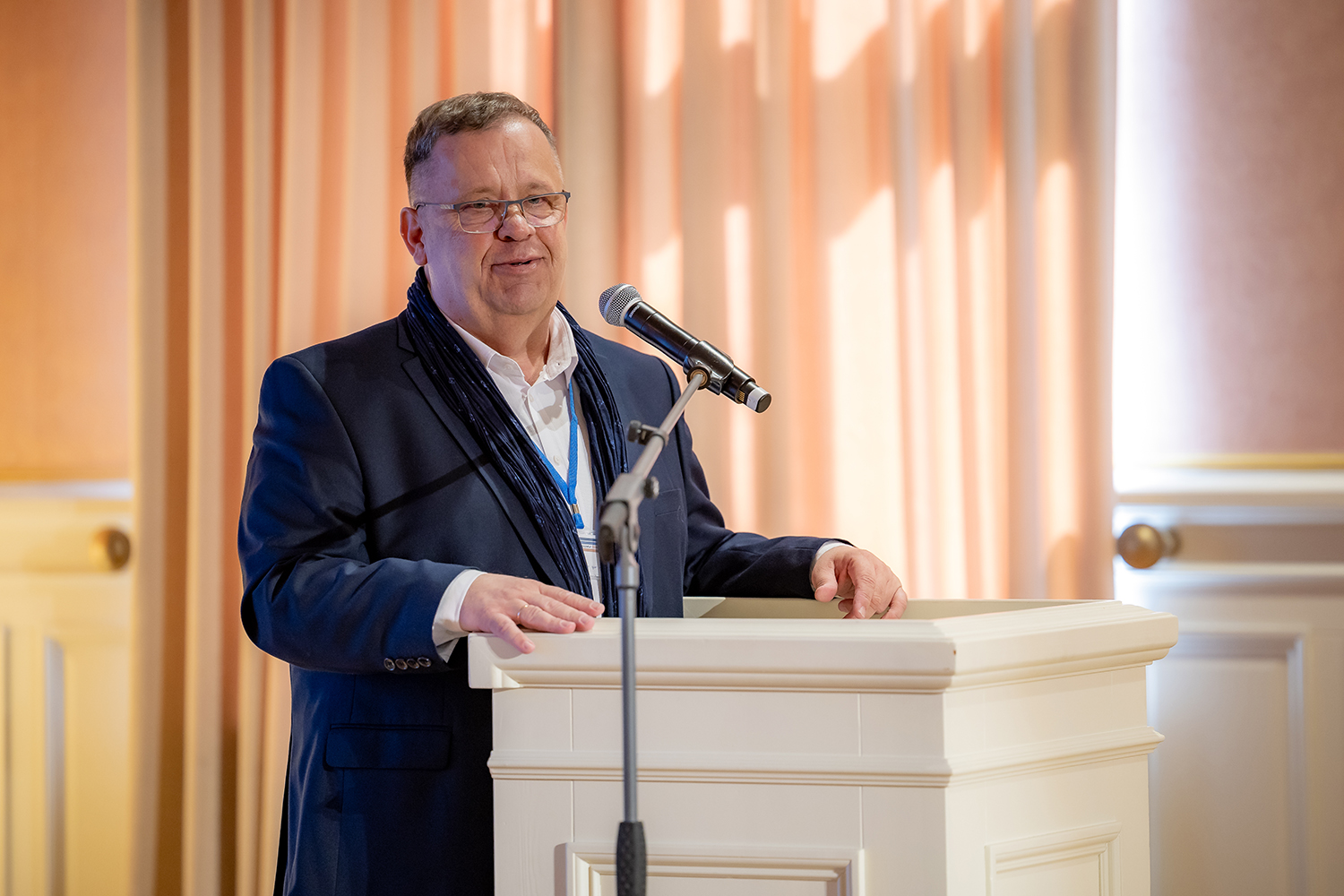
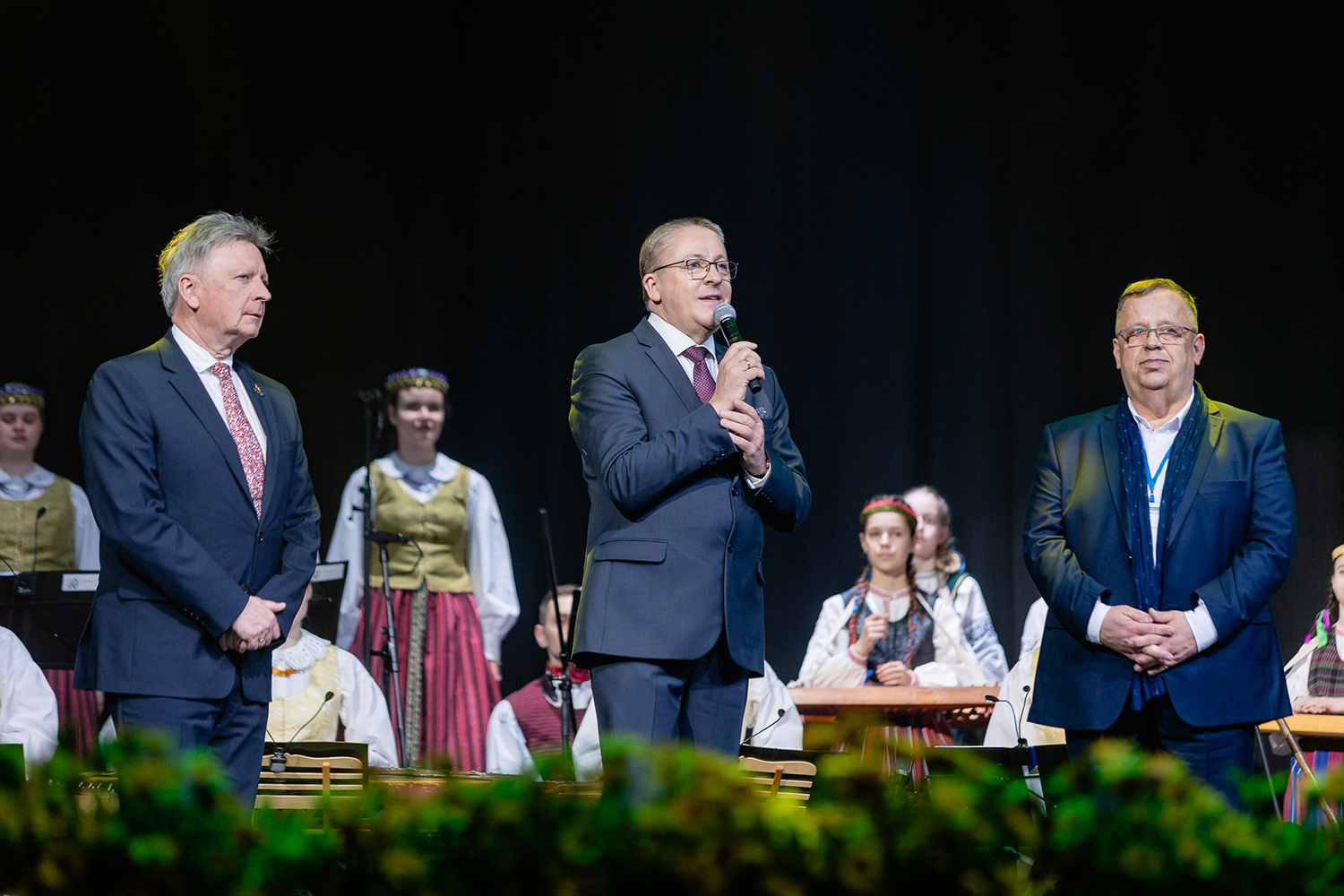
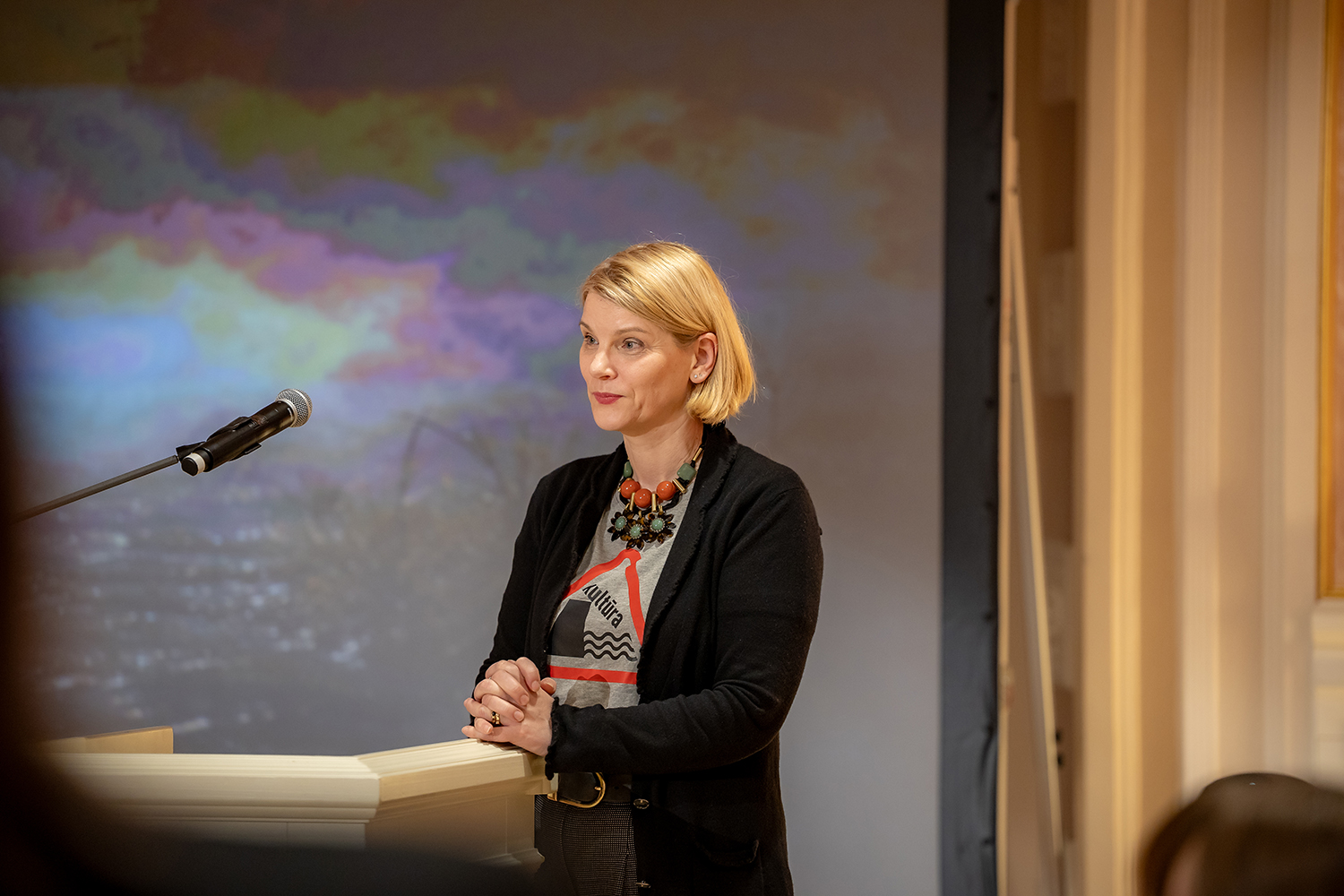
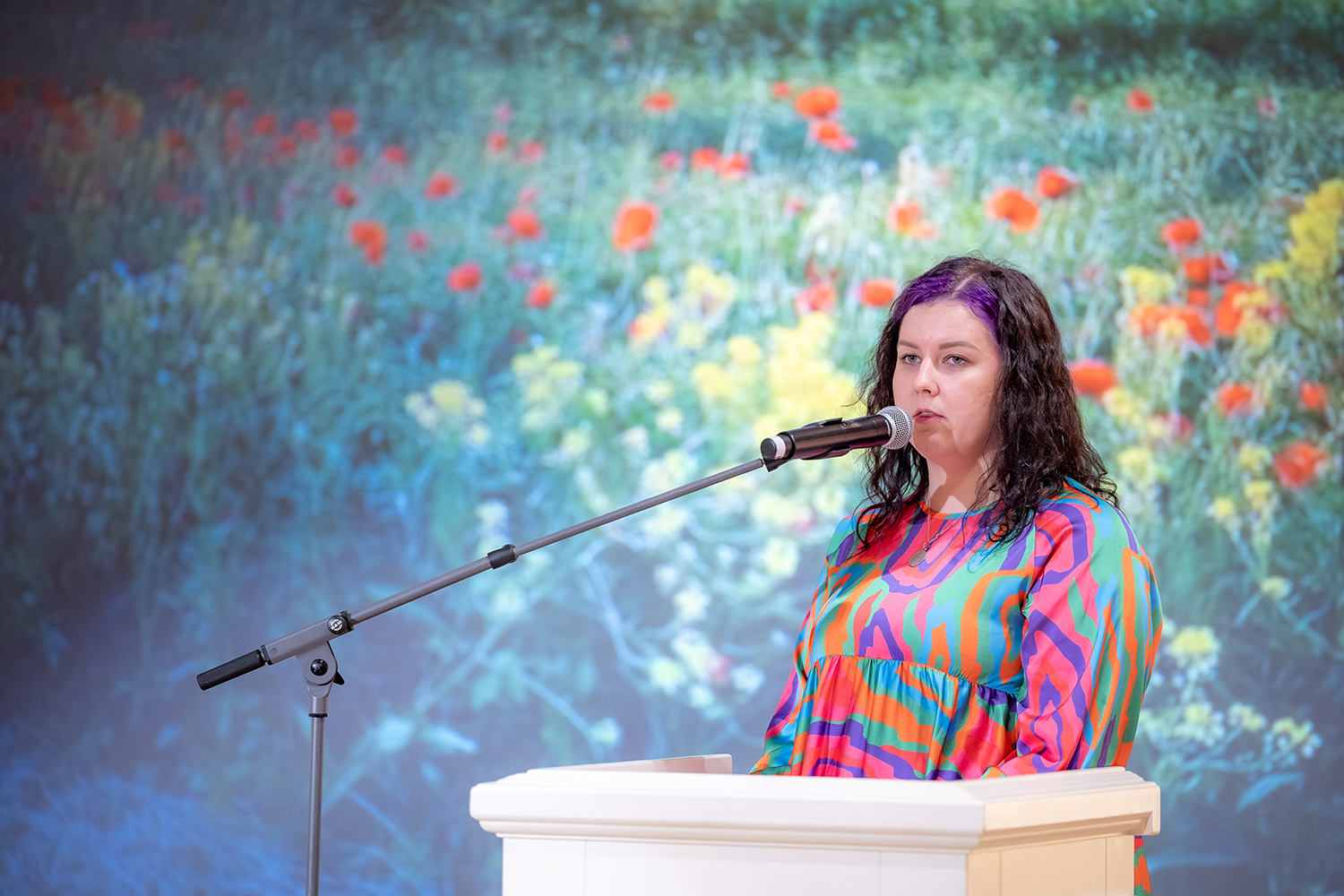
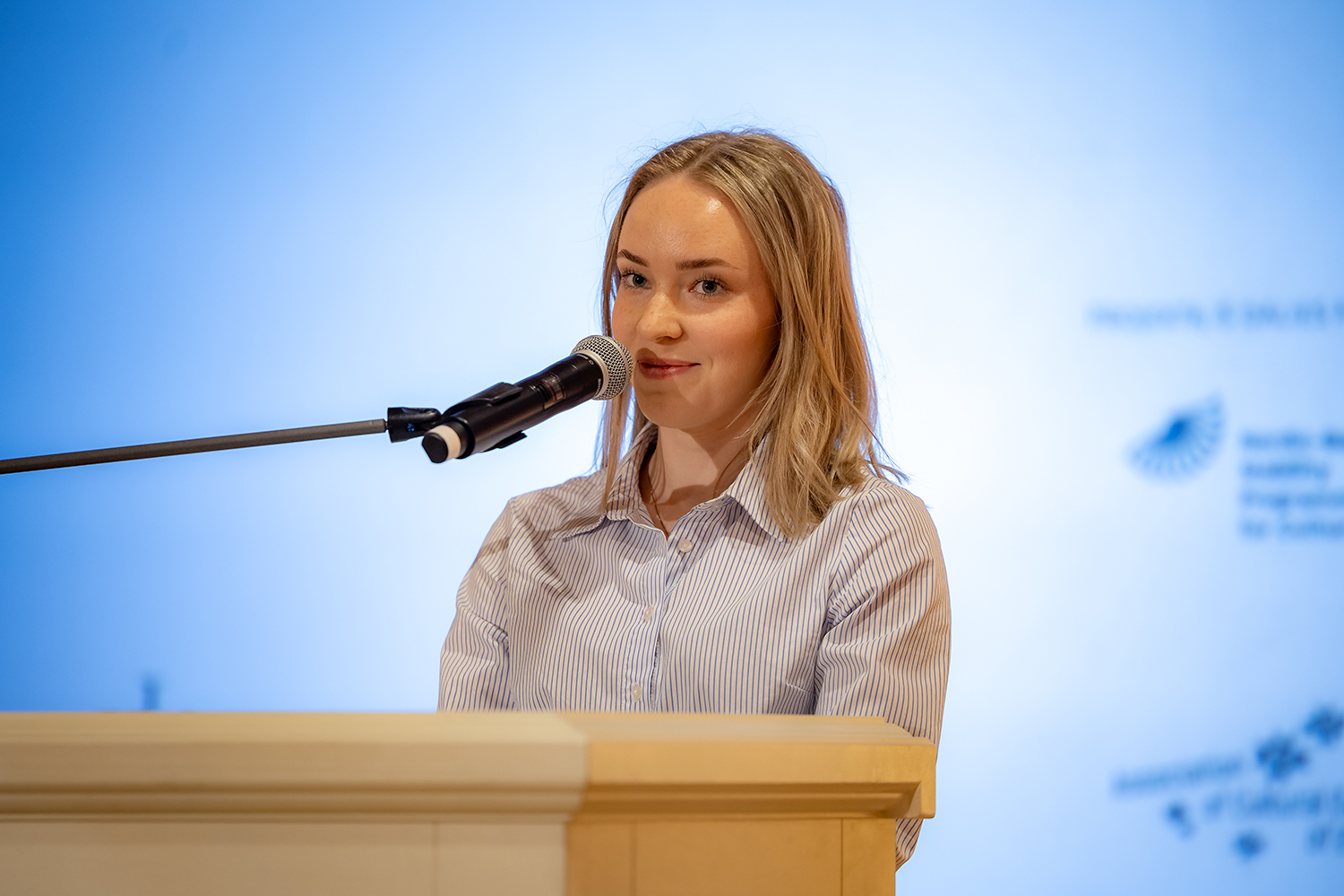
Antrojoje konferencijos dalyje susirinkusius dalyvius pasveikino Palangos miesto savivaldybės tarybos narys Nerijus Stasiulis, kuris savo kalboje pabrėžė kultūros reikšmę šiandienos kontekste, teigdamas, kad „šiandien, kai pasaulis pilnas neramumų, kultūra išlieka ta jėga, kuri geba kurti ir skleisti ramybę bendruomenėse“, taip pat akcentavo, jog „kuo aktyviau dalyvausime sprendimų priėmime, tuo stipresnė bus mūsų įtaka“, o „kultūra ir politika, veikdamos kartu, gali tapti realiu pokyčių įrankiu“. Sveikinimo žodį taip pat tarė Lietuvos kultūros centrų asociacijos prezidentas, Plungės kultūros centro direktorius Romas Matulis, pažymėjęs, kad „valstybės galia yra kultūra, o kultūros galia – žmogus“, ir pridūręs, jog „šis projektas jau dabar žymi svarbią pradžią – galimybę Baltijos šalims kalbėti vienu balsu, derinti pozicijas ir stiprinti bendrą kultūros lauką“. Estijos kultūros centrų asociacijos direktorė Lisette Taube pabrėžė, kad „kultūros centrai veikia kaip savotiškas saugumo tinklas ir emocinis kompasas, padedantis žmonėms jaustis bendruomenės dalimi, ypač neapibrėžtais laikais“. Latvijos atstovas, Ķekavos seniūnijos kultūros centro direktorius Ēriks Laime-Babris išskyrė regioninio bendradarbiavimo svarbą, teigdamas, kad „bendradarbiavimas Baltijos šalių lygmeniu yra ypač svarbus“, nes „tik veikdami kartu galime stiprinti kultūros sektorių, pritraukti finansavimą ir užtikrinti jo tvarią plėtrą“.
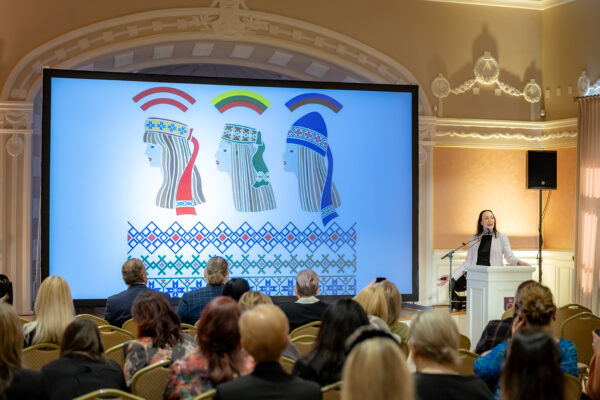
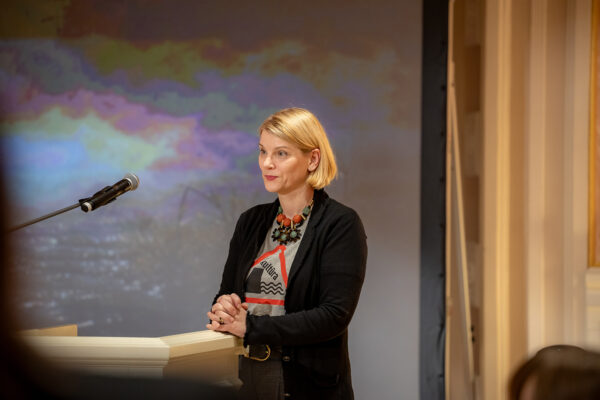
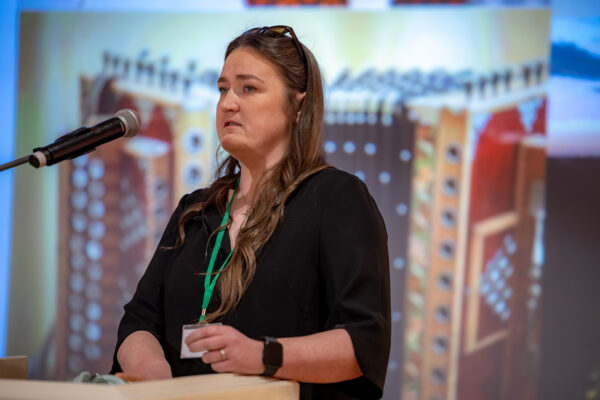
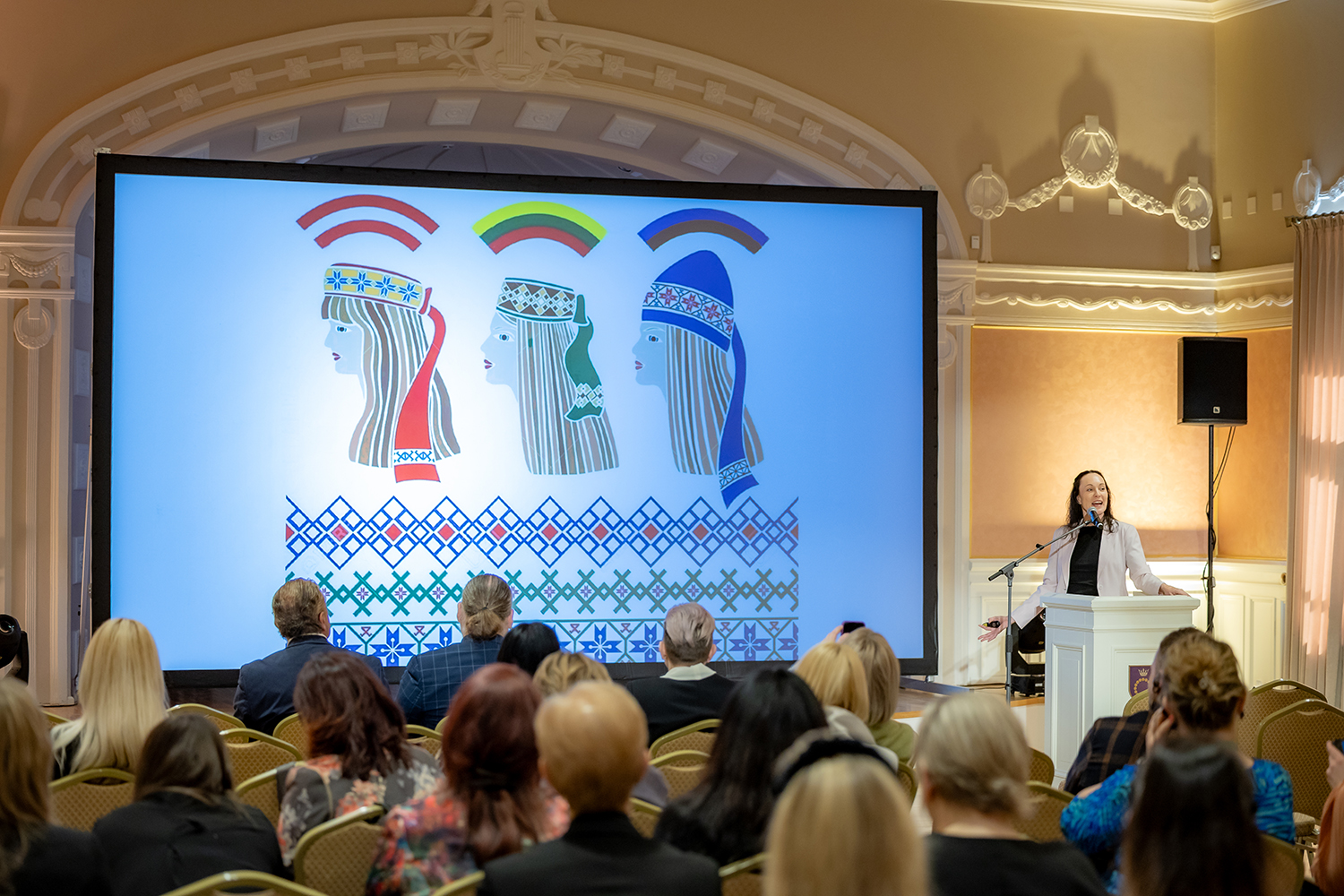
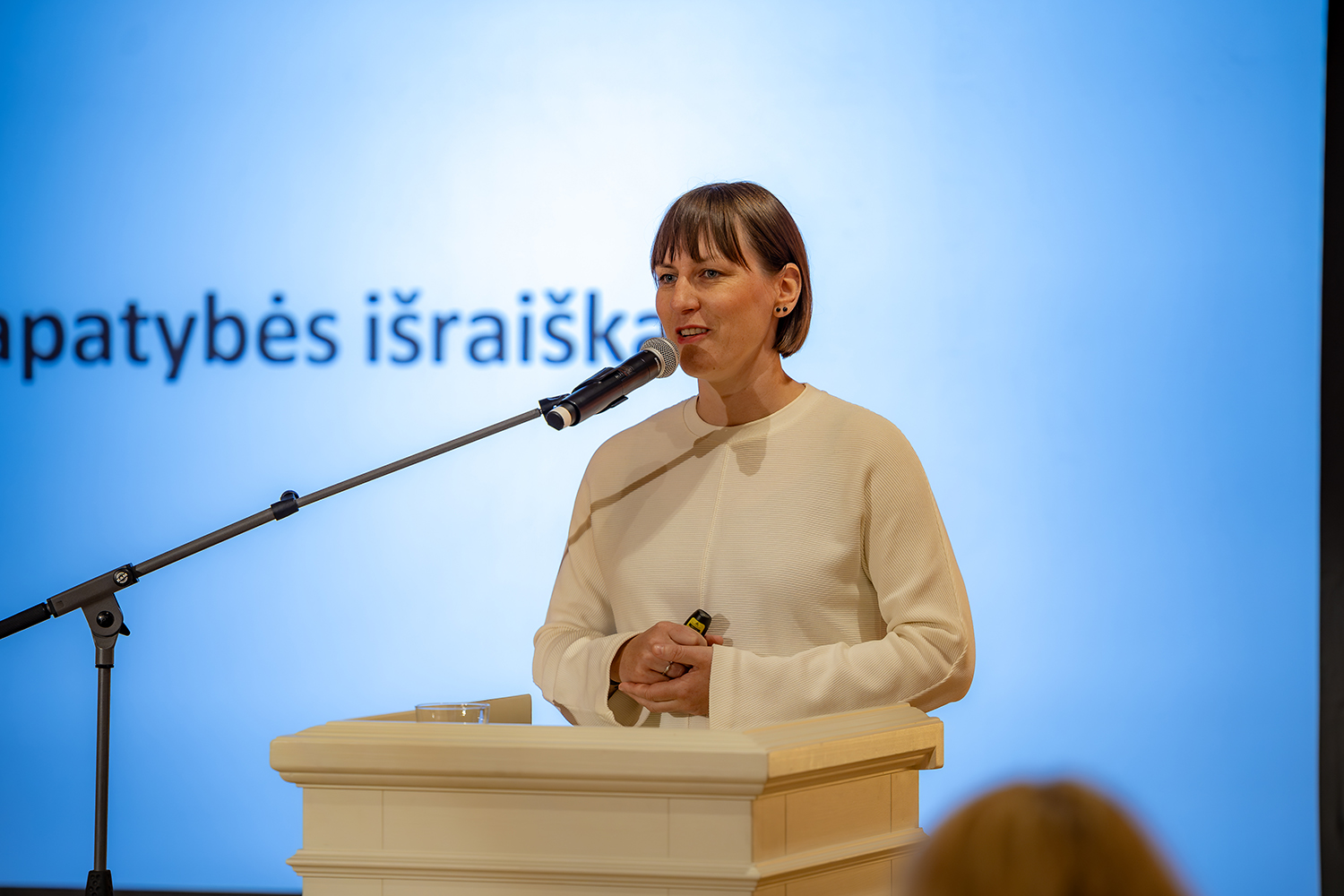
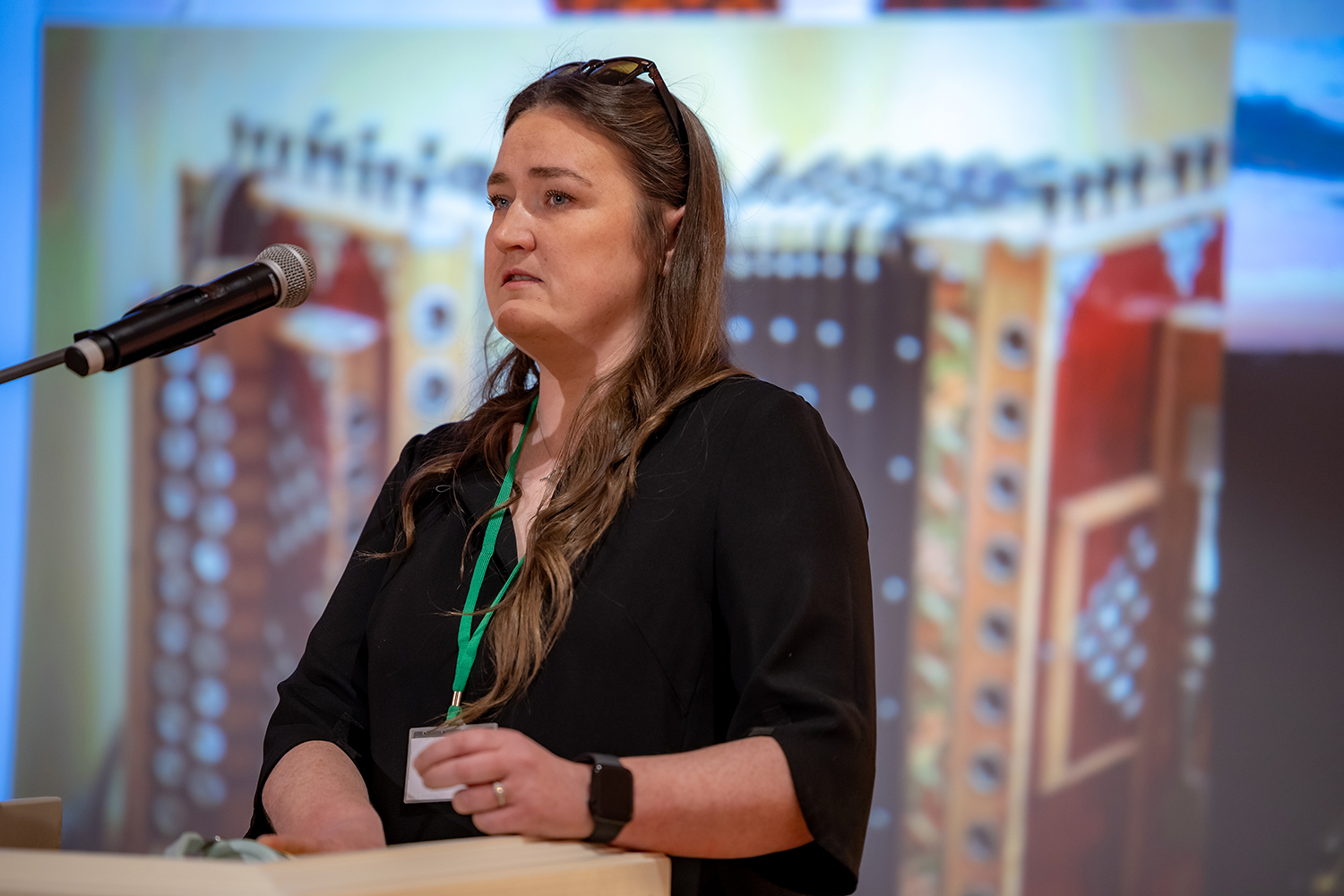
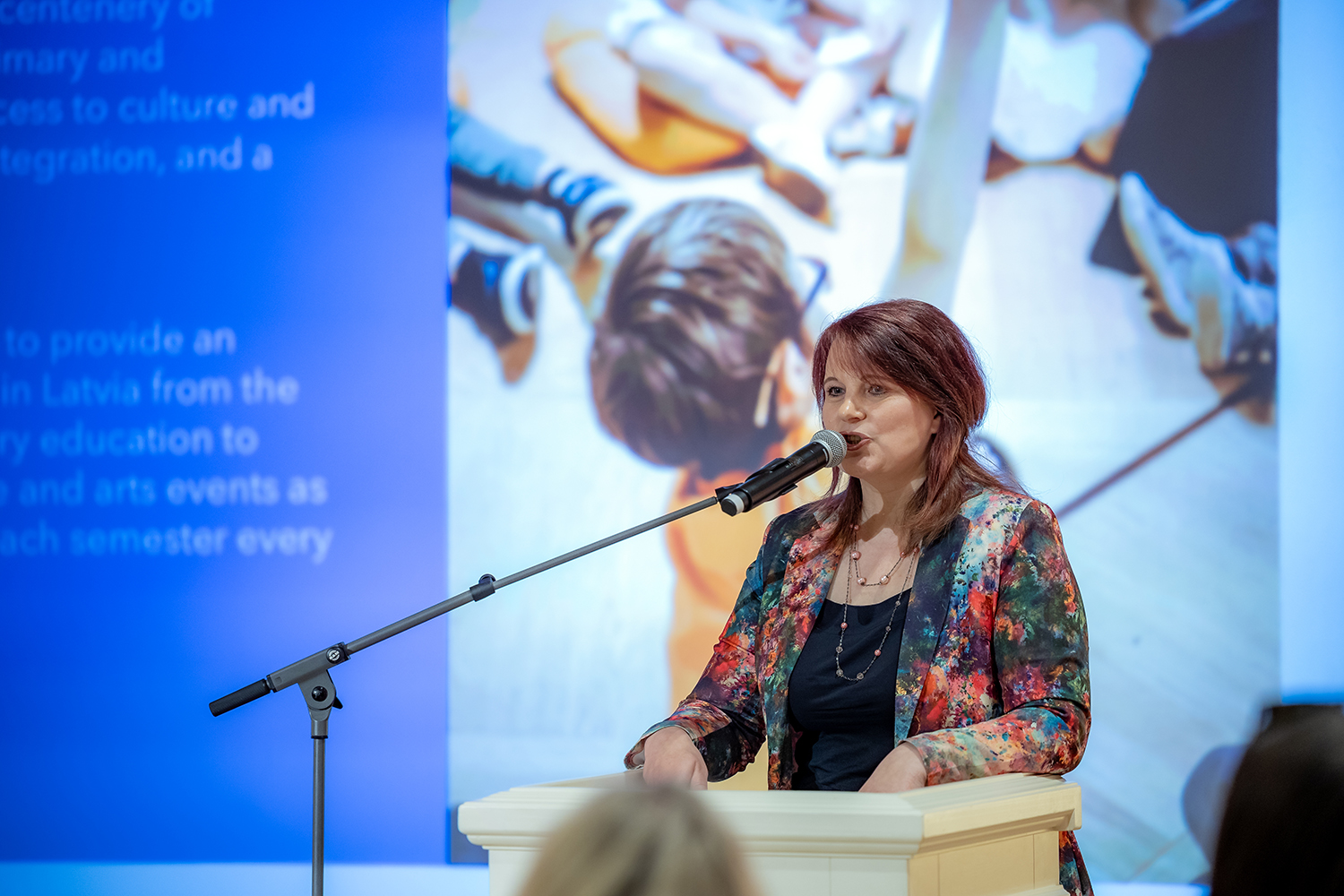
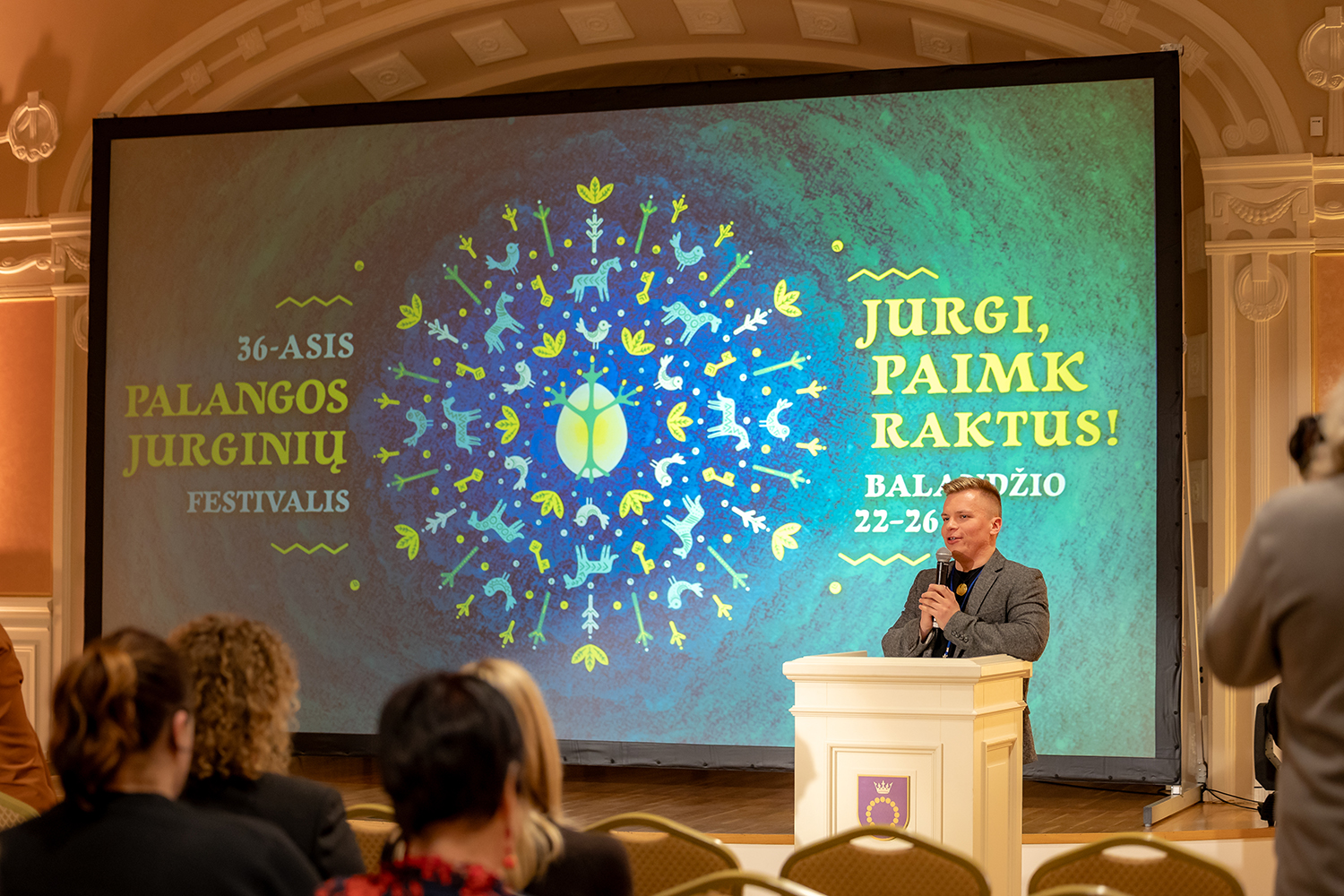
Konferencijos pranešimų sesijoje pristatytos aktualios kultūros sektoriaus temos. Palangos kultūros centro kultūrinės veiklos vadybininkas Deividas Jučas skaitė pranešimą „Kultūros galia stiprinant tapatybę ir visuomenės atsparumą: renginio „Palangos Jurginės“ atvejis“. Estijos nacionalinio kultūros centro kultūros ir bendruomenių specialistė Anni Sikk pristatė temą „Gyvoji kultūra kaip žmonių sąmoningumo ir aktyvaus pilietiškumo bendruomenėse variklis“. Latvijos atstovės – Šiaurės Rygos kultūros asociacijos direktorė Liene Kubilius, Dobelės savivaldybės kultūros skyriaus vadovė Nadežda Čerpaka ir Šiaurės Rygos kultūros asociacijos projektų vadovė Kristīne Suļžanoka – analizavo „Kultūros psichologinę įtaką žmonių sąmoningumui ir pilietiniam aktyvumui“.
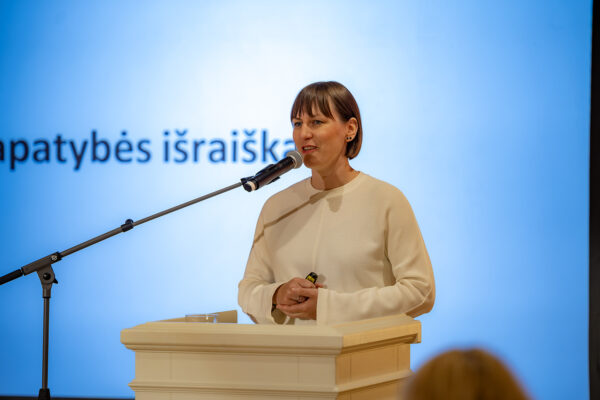
Pranešime „Kultūros centrai: šviesa ar karštis?“ įžvalgomis dalijosi Rūta Gudmonaitė (Lietuva). Lietuvos Respublikos užsienio reikalų ministerijos Pirmininkavimo Europos Sąjungos Tarybai grupės narė Aušra Paukštytė skaitė pranešimą „Kultūros sklaida kaip pilietinės tapatybės išraiška“. UAB „Mediasokas“ direktorė, Lietuvos Saulės sąjungos Lapių kuopos narė Juratė Stankuvienė pristatė temą „Kultūra: galia saugoti ir galia griauti – ką renkatės jūs?“.
Konferencijoje taip pat pristatytas Lietuvos kultūros centrų asociacijos atliktas tyrimas „Lietuvos, Latvijos ir Estijos kultūros centrų kultūros ir meno darbuotojų požiūris į kultūros įtaką nacionaliniam saugumui“, kurį pristatė Varėnos kultūros centro direktorė Jurga Keršienė.
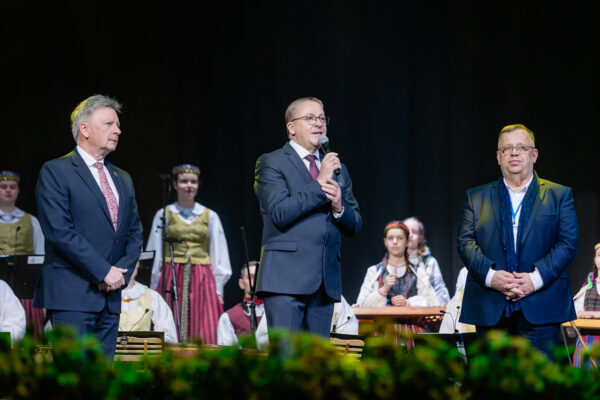
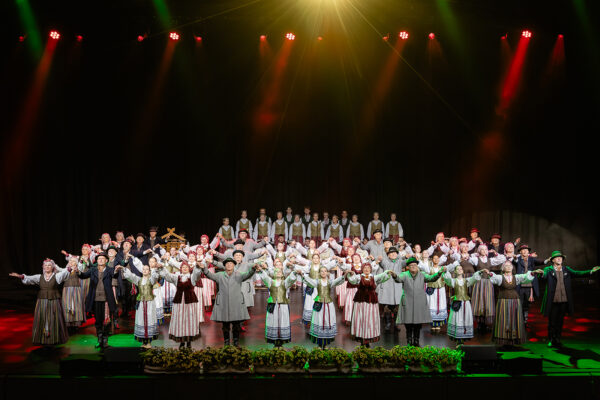
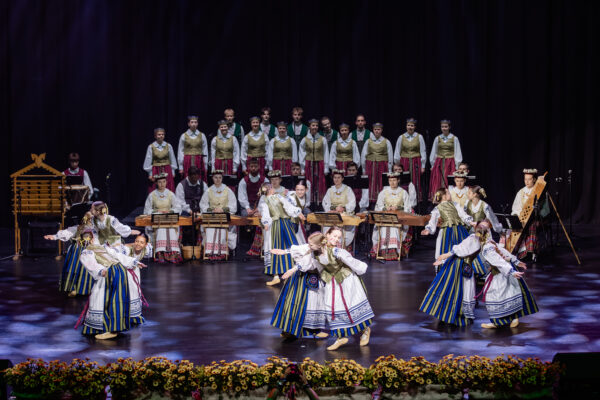
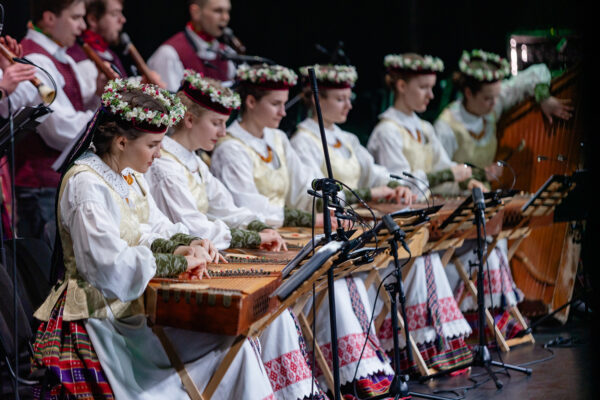
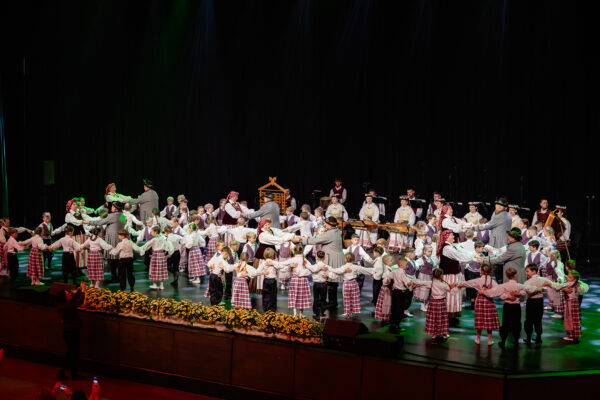
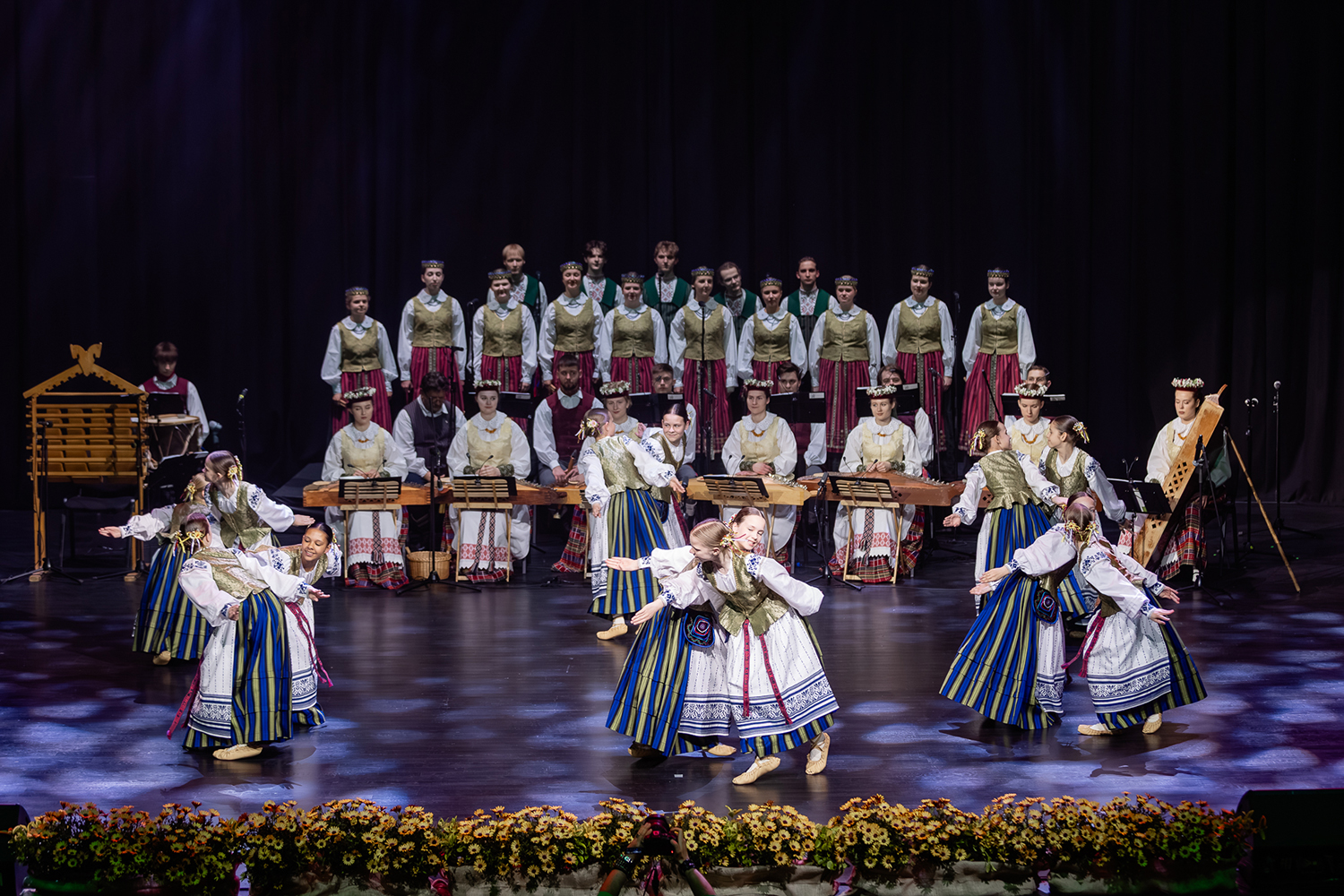
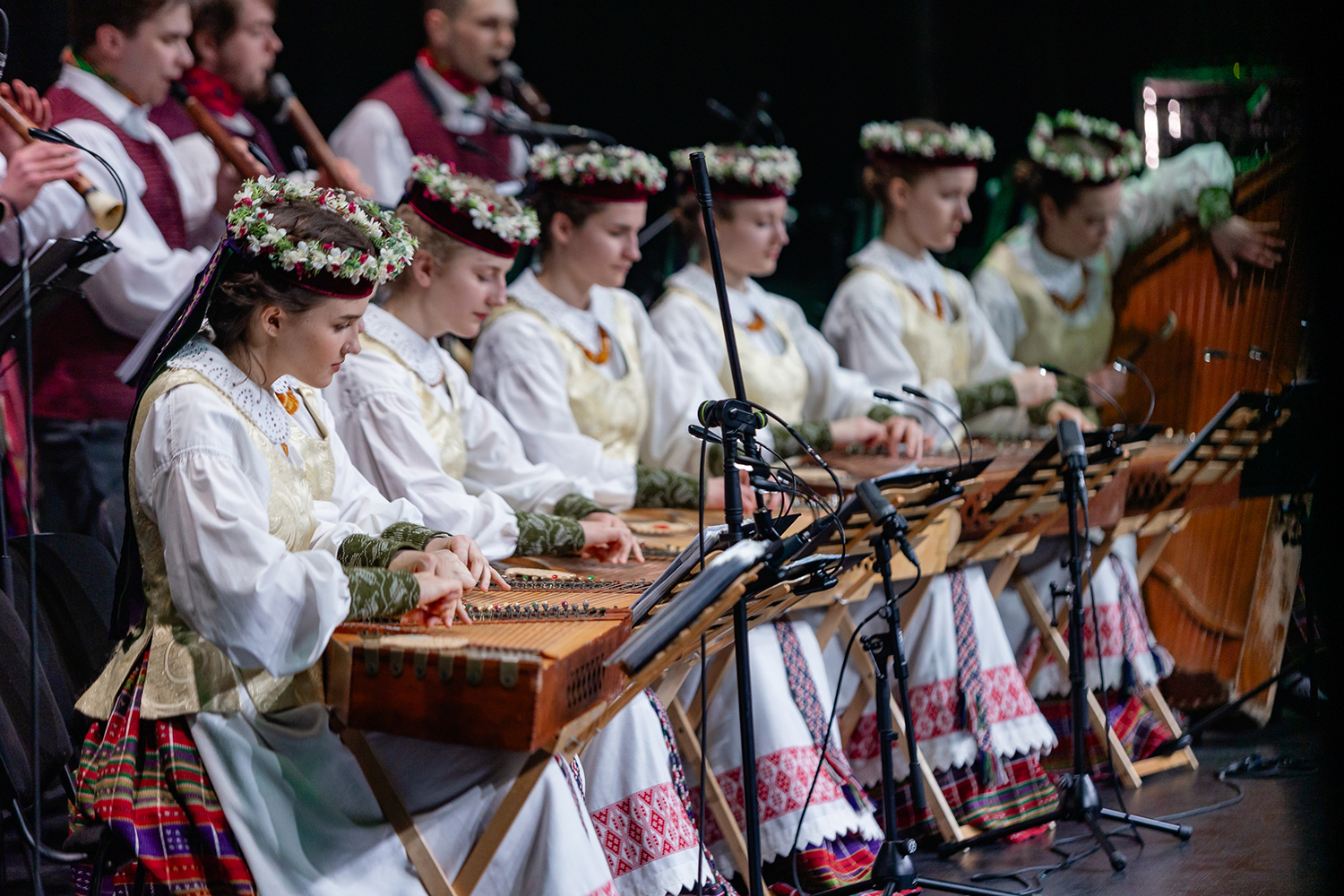
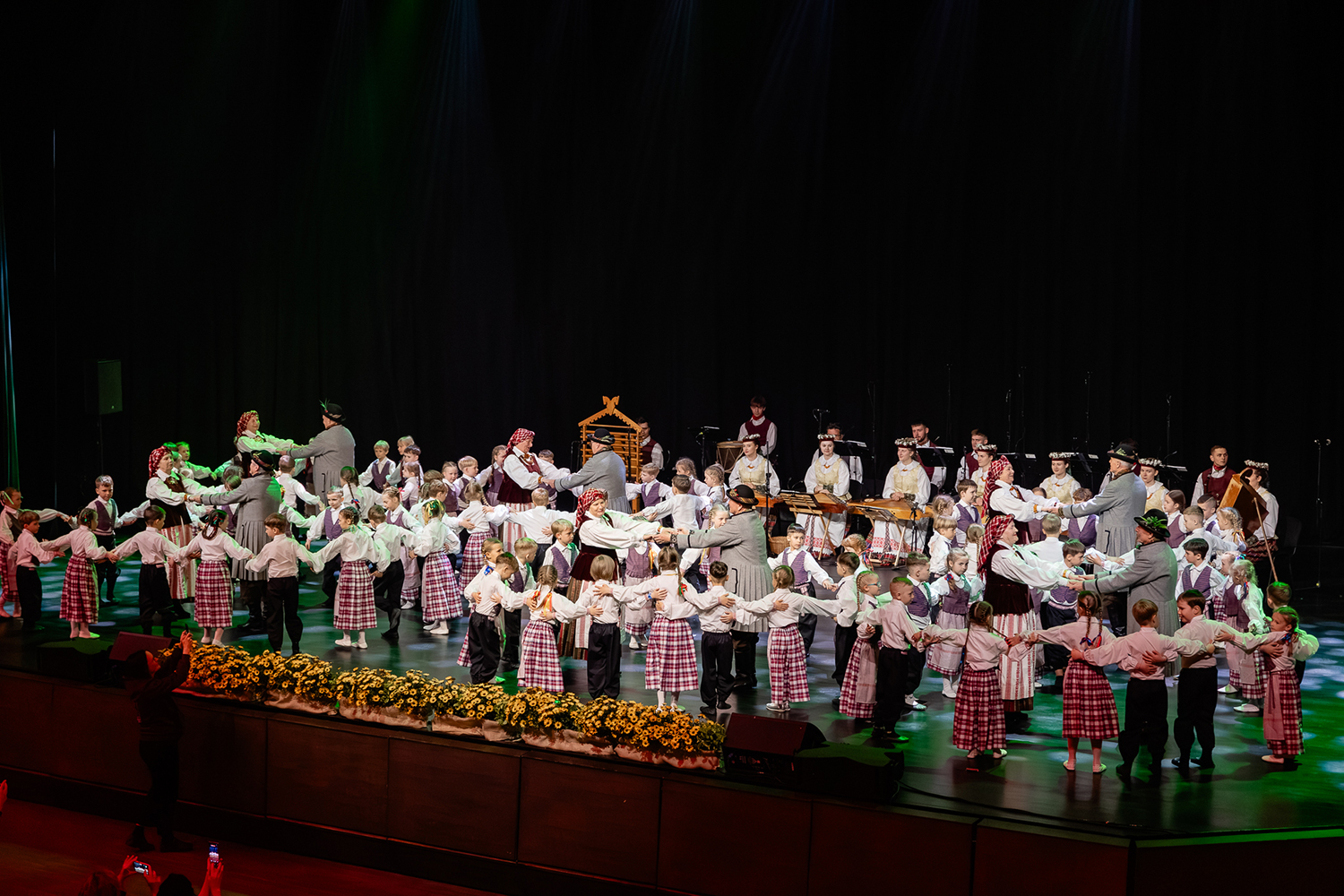
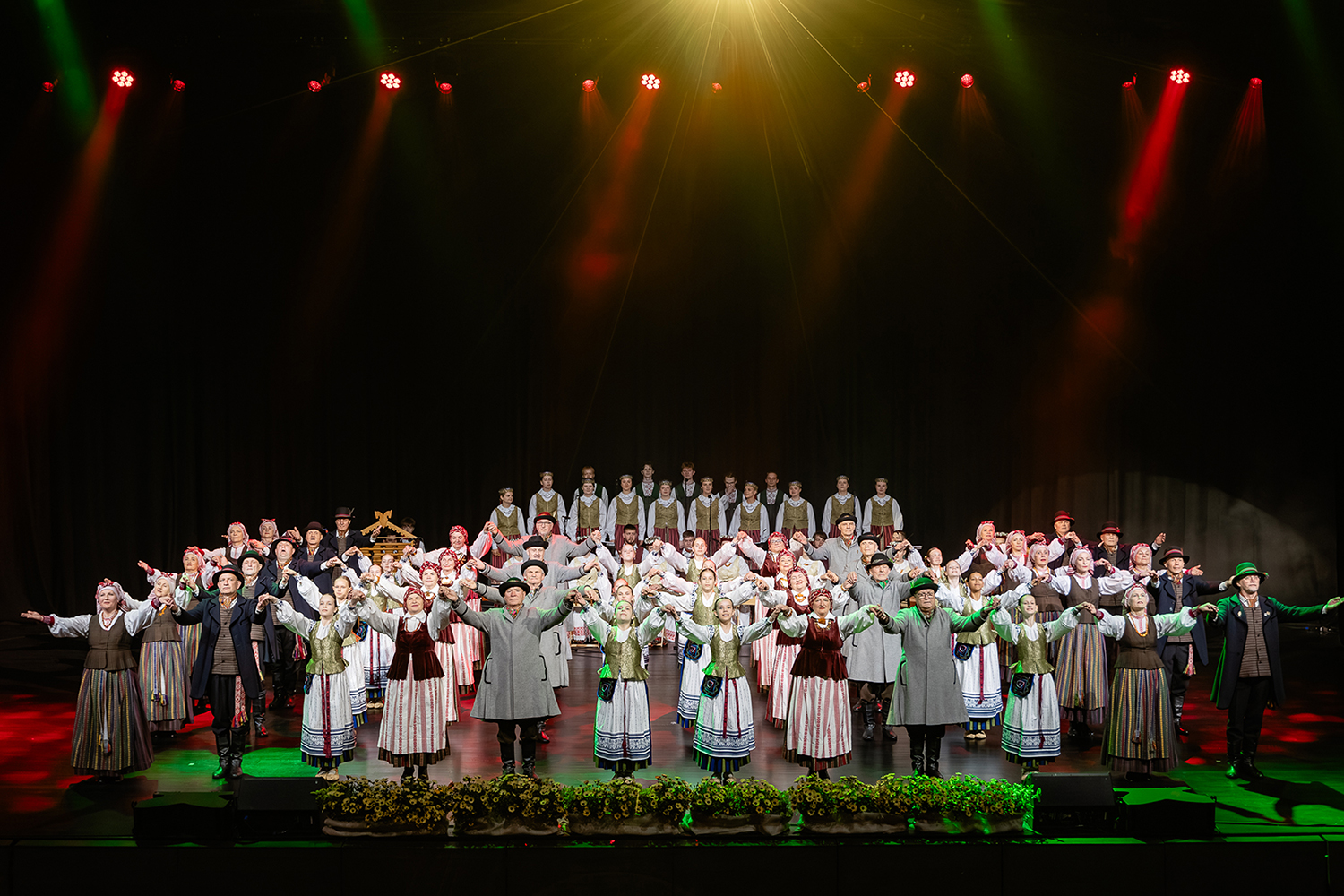
Vakare Palangos koncertų salėje įvyko baigiamasis projekto koncertas „Iš kartos į kartą – Baltijos kultūros galia“, tapęs simboline viso projekto kulminacija ir gyvu kultūros tęstinumo įrodymu. Koncertas subūrė gausią Lietuvos kultūros centrų bendruomenę, palangiškius bei delegacijas iš Latvijos ir Estijos. Koncerto programos ašimi tapo kartų dialogas – scenoje kartu pasirodė skirtingų kartų atlikėjai, atskleidę gyvą tradicijos perdavimą iš kartos į kartą. Koncerte dalyvavo daugiau nei 200 atlikėjų iš Palangos, Vilniaus, Klaipėdos, Kretingos ir Šilalės rajono. Ši programa tapo ne tik meniniu pasirodymu, bet ir simboline žinute apie Baltijos šalių vienybę, kultūros tęstinumą ir jos gebėjimą jungti skirtingas kartas, bendruomenes bei valstybes. Koncerto finaliniu akcentu tapo choreografės Eglės Baltriukienės šokio kompozicija pagal dainą „Bunda jau Baltija“ (muzika – B. Reznikas).
Baigiamasis susitikimas Palangoje įtvirtino projekto rezultatus ir pažymėjo naują etapą – tolesnę Baltijos kultūros centrų tinklo (BNCCA) plėtrą. Projekto dalyviai sutaria, kad bendradarbiavimas tęsis, stiprinant kultūros sektoriaus vaidmenį visuomenėje ir kuriant bendrą kultūros politikos dialogą Baltijos šalyse.
Projekto veiklos tęsis iki 2026 m. birželio 30 d.
FINAL MEETING OF “THE POWER OF CULTURE” PROJECT IN PALANGA: CULTURAL CENTRES DISCUSS AWARENESS, CIVIC ENGAGEMENT, AND SOCIETAL RESILIENCE
From 23-25 April 2026, the coastal city of Palanga hosted the closing partner meeting and conference of the project “The Power of Culture”. The event brought together representatives of cultural centres from Lithuania, Latvia, and Estonia. The gathering marked an important milestone in Baltic states’ cultural cooperation, offering an opportunity to reflect on the project’s achievements while highlighting the vital role of culture in contemporary society. The meeting took place during Palanga St. George’s Festival, “Jurgi, take the keys!”, which invited local communities and visitors alike to immerse themselves in Lithuanian traditions, the symbolism of spring renewal, and vibrant living culture.
The project was initiated and is administered by the Association of Lithuanian Cultural Centres, with partners including the Association of Latvian Cultural Centres and the Association of Estonian Cultural Centres. It is funded by the Nordic-Baltic Mobility Programme for Culture, a joint initiative supported by the Nordic Council of Ministers and the ministries of culture of the Baltic States. The organization of the final meeting was supported by the Palanga Cultural Centre, with partial funding provided by the Palanga City Municipality.
The main and most intensive day of the meeting took place on 24 April 2026, at the Palanga Cultural Centre (Kurhaus) in Palanga, where the conference “The Psychological Impact of Culture on Awareness and Civic Engagement” was held. The event brought together not only delegations from the project partners but also the wider community of cultural centres from across Lithuania.
The day began with a creative workshop for project participants – a reflective session dedicated to evaluating the project’s impact, reviewing its outcomes, and outlining future directions for the development of the Baltic Network of Cultural Centres.
During the second part of the conference, participants were welcomed by Nerijus Stasiulis, a member of the Palanga City Municipal Council. In his address, he emphasized the importance of culture in today’s context, noting that “today, in a world filled with unrest, culture remains a force capable of creating and spreading a sense of calm within communities”. He also highlighted the importance of civic participation, stating that “the more actively we engage in decision-making, the stronger our influence becomes,” and added that “when culture and politics work together, they can become a real instrument for change”. A welcoming speech was also delivered by Romas Matulis, President of the Association of Lithuanian Cultural Centres and Director of the Plungė Cultural Centre. He remarked that “the strength of a state lies in its culture, and the strength of culture lies in people,” adding that “this project already marks an important beginning – an opportunity for the Baltic countries to speak with one voice, align their positions, and strengthen a shared cultural field”. Lisette Taube, Director of the Association of Estonian Cultural Centres, stressed that “cultural centres function as a kind of safety net and emotional compass, helping people feel part of a community, especially in times of uncertainty”. The Latvian representative Ēriks Laime-Babris, Director of the Ķekava Parish Cultural Centre, highlighted the importance of regional cooperation, stating that “collaboration at the Baltic level is particularly important,” as “only by working together can we strengthen the cultural sector, attract funding, and ensure its sustainable development”.
The conference presentation session addressed a range of timely topics relevant to the cultural sector. Deividas Jučas, Manager for Cultural Activities at the Palanga Cultural Centre, delivered a presentation titled “The Power of Culture in Strengthening Identity and Societal Resilience: The Case of the ‘Palanga St. George’s Festival’”. Anni Sikk, a culture and community specialist at the Estonian National Cultural Centre, presented “Living Culture as a Driver of Awareness and Active Citizenship in Communities.” Representatives from Latvia – Liene Kubilius, Director of the Northern Riga Cultural Association; Nadežda Čerpaka, Head of the Culture Department of the Dobele Municipality; and Kristīne Suļžanoka, Project Manager at the Northern Riga Cultural Association – jointly explored “The Psychological Impact of Culture on Public Awareness and Civic Engagement”.
In the presentation “Cultural Centres: Light or Heat?”, Rūta Gudmonaitė (Lithuania) shared her insights. Aušra Paukštytė, a member of the Presidency of the Council of the European Union group at the Ministry of Foreign Affairs of Lithuania, delivered a presentation titled “The Dissemination of Culture as an Expression of Civic Identity”. Finally, Juratė Stankuvienė, Director of Mediasokas UAB and a member of the Lithuanian Riflemen’s Union (Foxes unit), presented topic“Culture: The Power to Protect and the Power to Destroy – What Do You Choose?”
The conference also featured the presentation of a study conducted by the Association of Lithuanian Cultural Centres, titled “The Attitudes of Cultural and Arts Workers in Lithuania, Latvia, and Estonia Towards the Impact of Culture on National Security.” The study was introduced by Jurga Keršienė, Director of the Varėna Cultural Centre.
In the evening, the Palanga Concert Hall hosted the project’s closing concert, “From Generation to Generation – The Power of Baltic Culture,” which became a symbolic culmination of the entire initiative and a vivid expression of cultural continuity. The concert brought together a large community of cultural centres from across Lithuania, local residents of Palanga, and delegations from Latvia and Estonia. At the heart of the programme was a dialogue between generations – performers of different ages shared the stage, illustrating the living transmission of tradition from one generation to another. More than 200 performers from Palanga, Vilnius, Klaipėda, Kretinga, and Šilalė District took part in the performance. The programme was not only an artistic showcase but also a symbolic message of Baltic unity, cultural continuity, and the power of culture to connect generations, communities, and nations. The final highlight of the concert was a dance composition by choreographer Eglė Baltriukienė, set to the song “The Baltics Are Waking Up!” (music by B. Reznikas).
The closing meeting in Palanga consolidated the project’s results and marked the beginning of a new phase – the continued development of the Baltic Network of Cultural Centre Associations (BNCCA). Project participants agreed to maintain and strengthen their cooperation, reinforcing the role of the cultural sector in society and fostering a shared dialogue on cultural policy across the Baltic States.
Project activities will continue until 30 June 2026.
For more information: Romas Matulis, the Association of Lithuanian Cultural Centres, mobile: +370 687 30 484, email: romas.matulis@gmail.com.