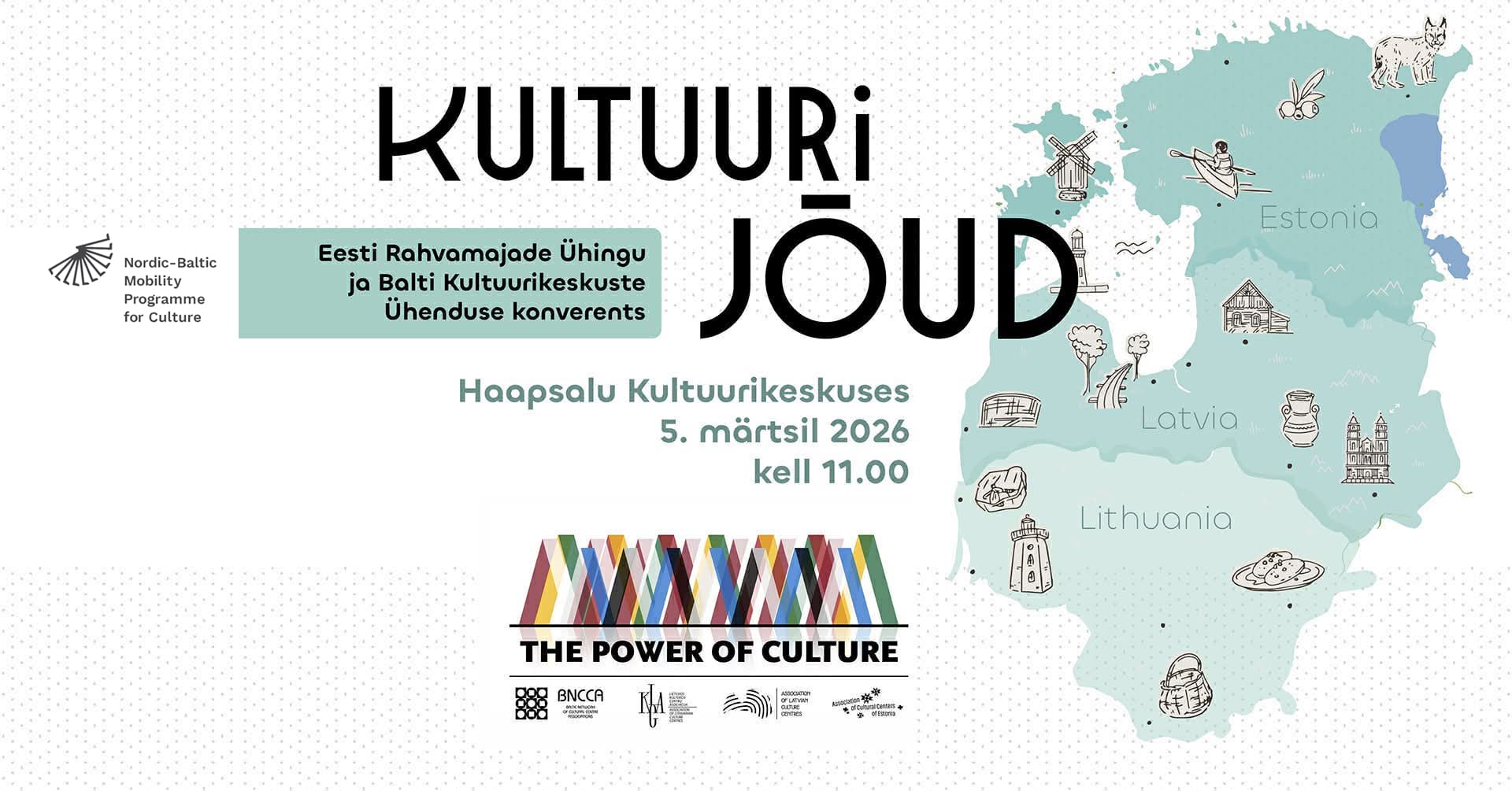
2026 m. kovo 3–6 dienomis Šiauliuose (Lietuva) ir Hapsalu mieste (Estija) vyko antrasis projekto „Kultūros galia“ (angl. The Power of Culture) partnerių susitikimas-konferencija, subūrusi kultūros centrų atstovus iš Lietuvos, Latvijos ir Estijos. Renginio metu buvo aptarti kultūros centrų vaidmens stiprinimo klausimai, Baltijos šalių bendradarbiavimo galimybės bei kultūros reikšmė visuomenės atsparumui šiandienos geopolitinių ir informacinių iššūkių kontekste.
Projekto iniciatorius ir administratorius – Lietuvos kultūros centrų asociacija, partneriai: Latvijos kultūros centrų asociacija, Estijos kultūros centrų asociacija. Projektas įgyvendinamas gavus tinklų finansavimą iš Šiaurės ir Baltijos šalių kultūros mobilumo programos (angl. Nordic-Baltic Mobility Programme for Culture). Ši programa yra bendrai finansuojama Šiaurės ministrų tarybos ir Baltijos šalių kultūros ministerijų. Projektu siekiama stiprinti Baltijos šalių kultūros centrų bendradarbiavimą, skatinti profesinių kompetencijų mainus ir plėtoti bendrą kultūros politikos dialogą Baltijos šalių regione.
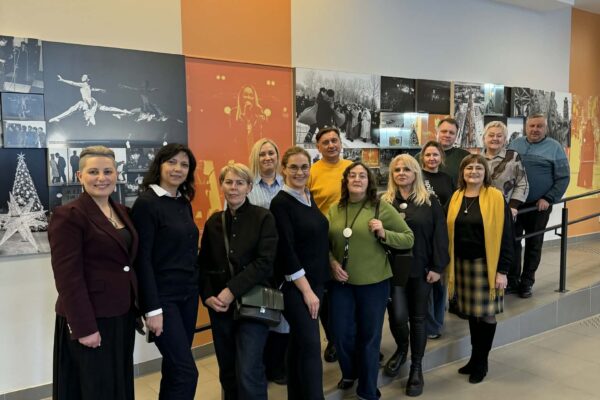
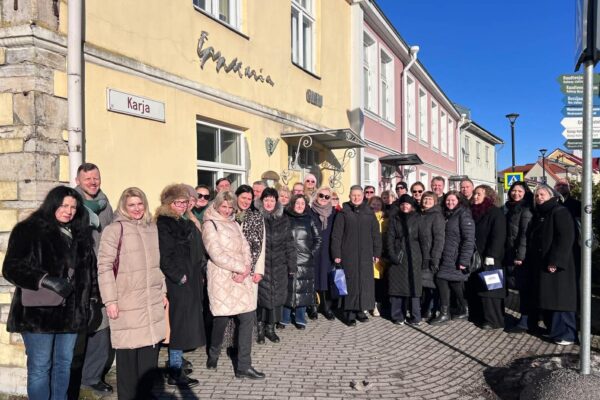
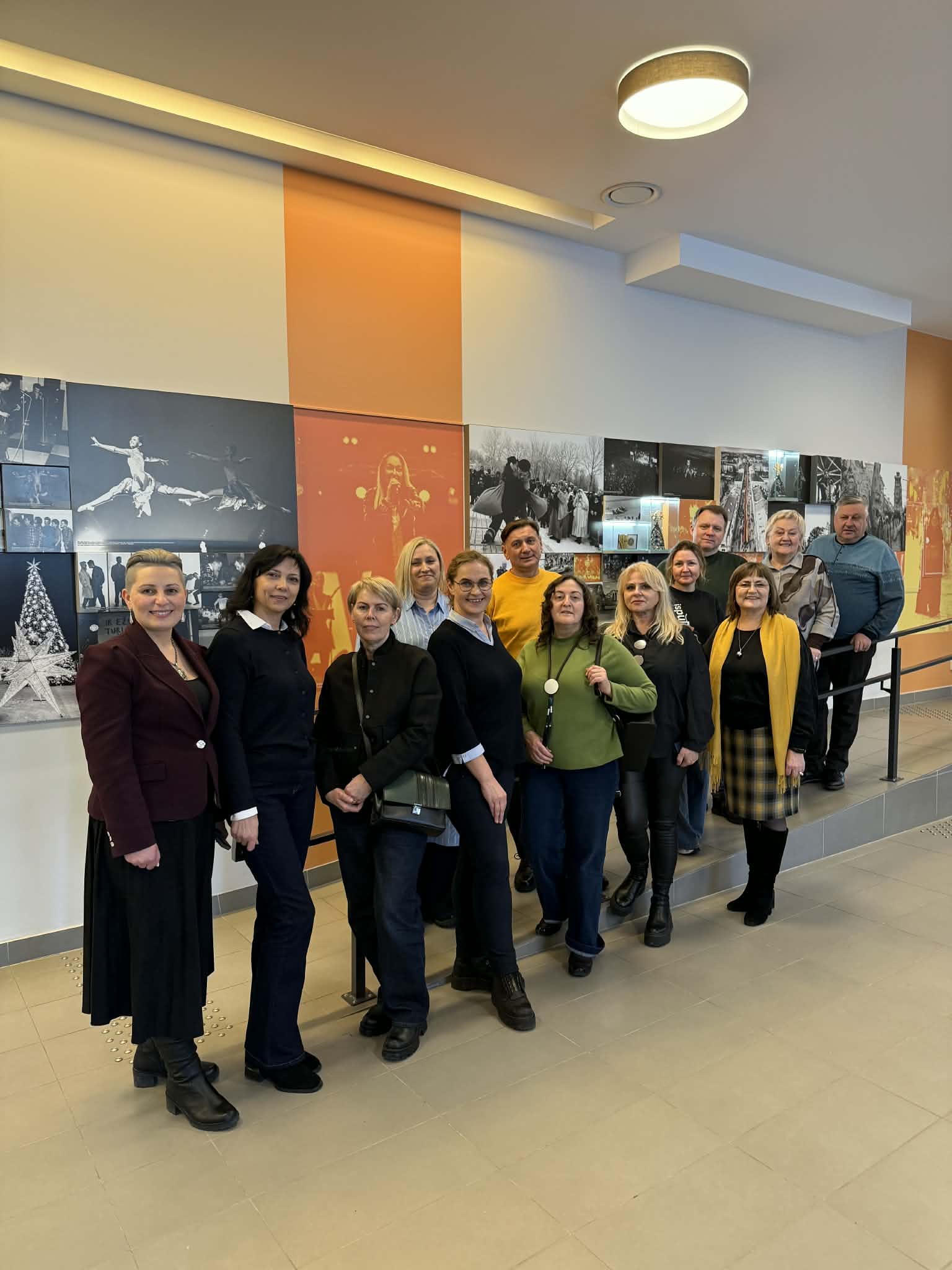
Susitikimas prasidėjo Šiaulių kultūros centre, kur šalies projekto dalyviai pasidalino Lietuvos kultūros centrų tarptautinio bendradarbiavimo patirtimi ir aptarė Baltijos kultūros centrų asociacijų tinklo (angl. Baltic Network of Cultural Centre Associations, BNCCA) veiklos prioritetus. Vėliau Lietuvos delegacija išvyko į Estiją, kur Hapsalu kultūros centre vyko konferencija „Kultūros galia“, skirta kultūros ir visuomenės saugumo temai. Konferencijoje dalyvavo po 15 kultūros bendruomenės narių iš šalių partnerių.
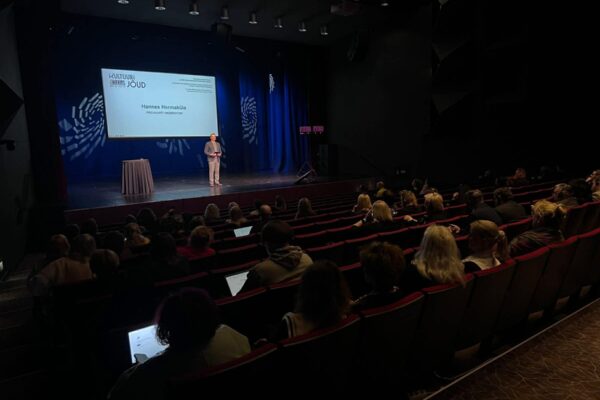
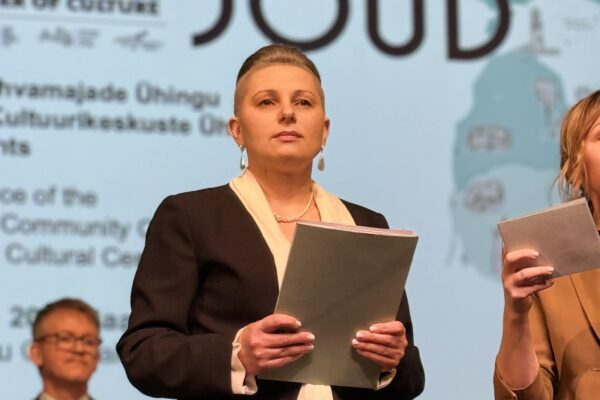
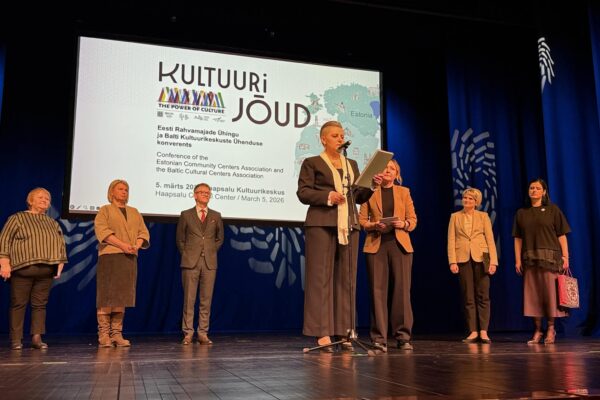
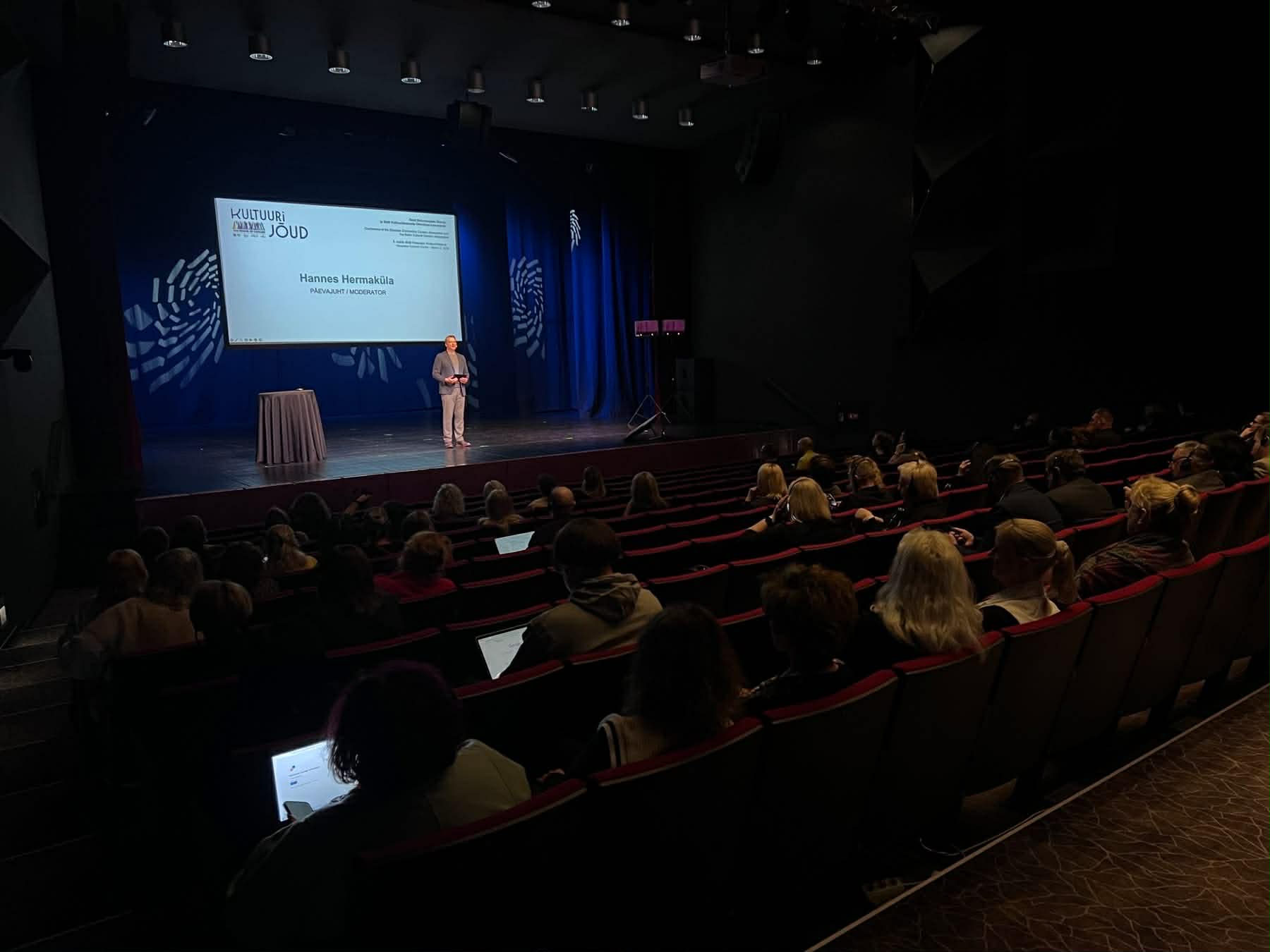
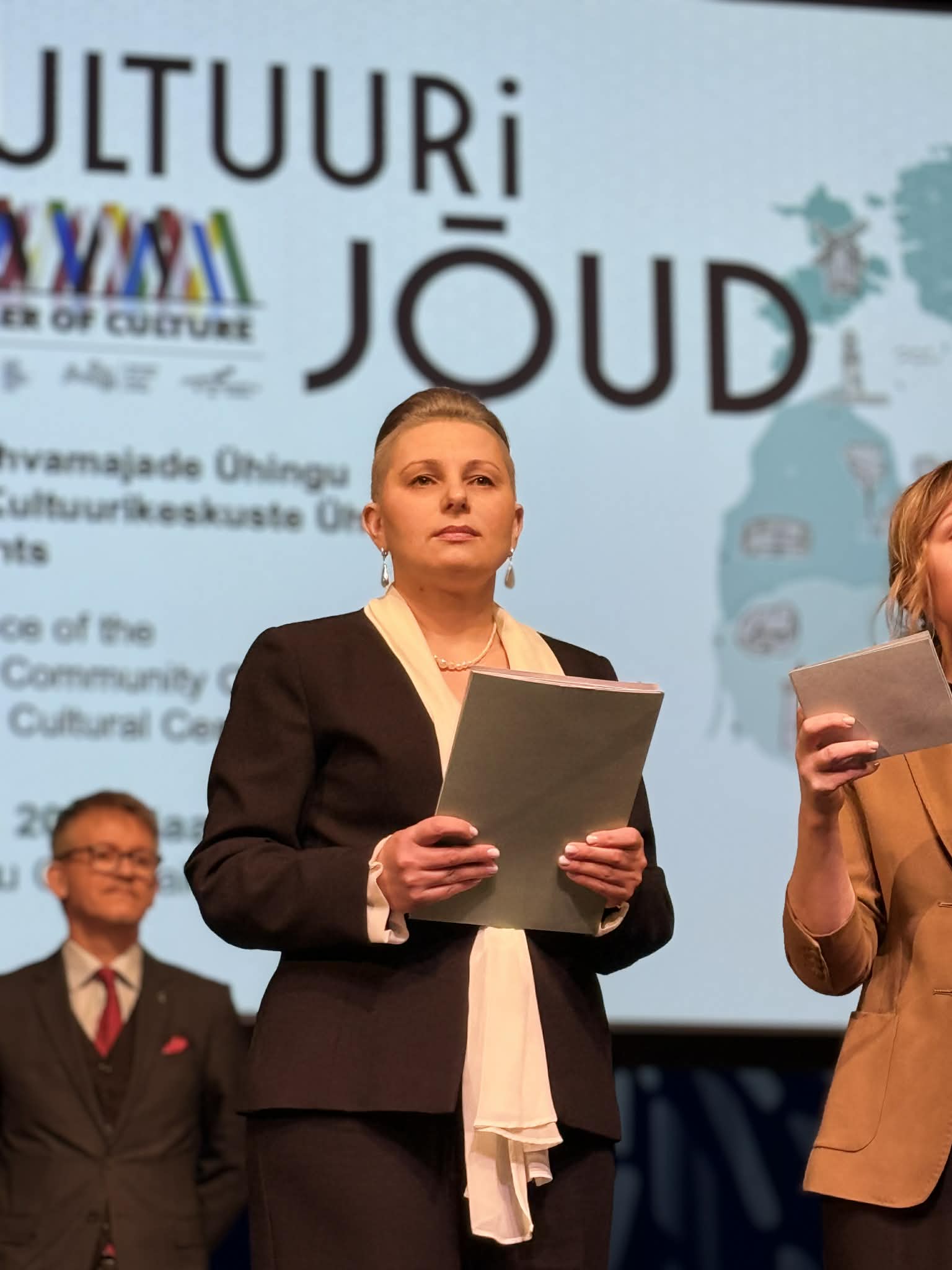
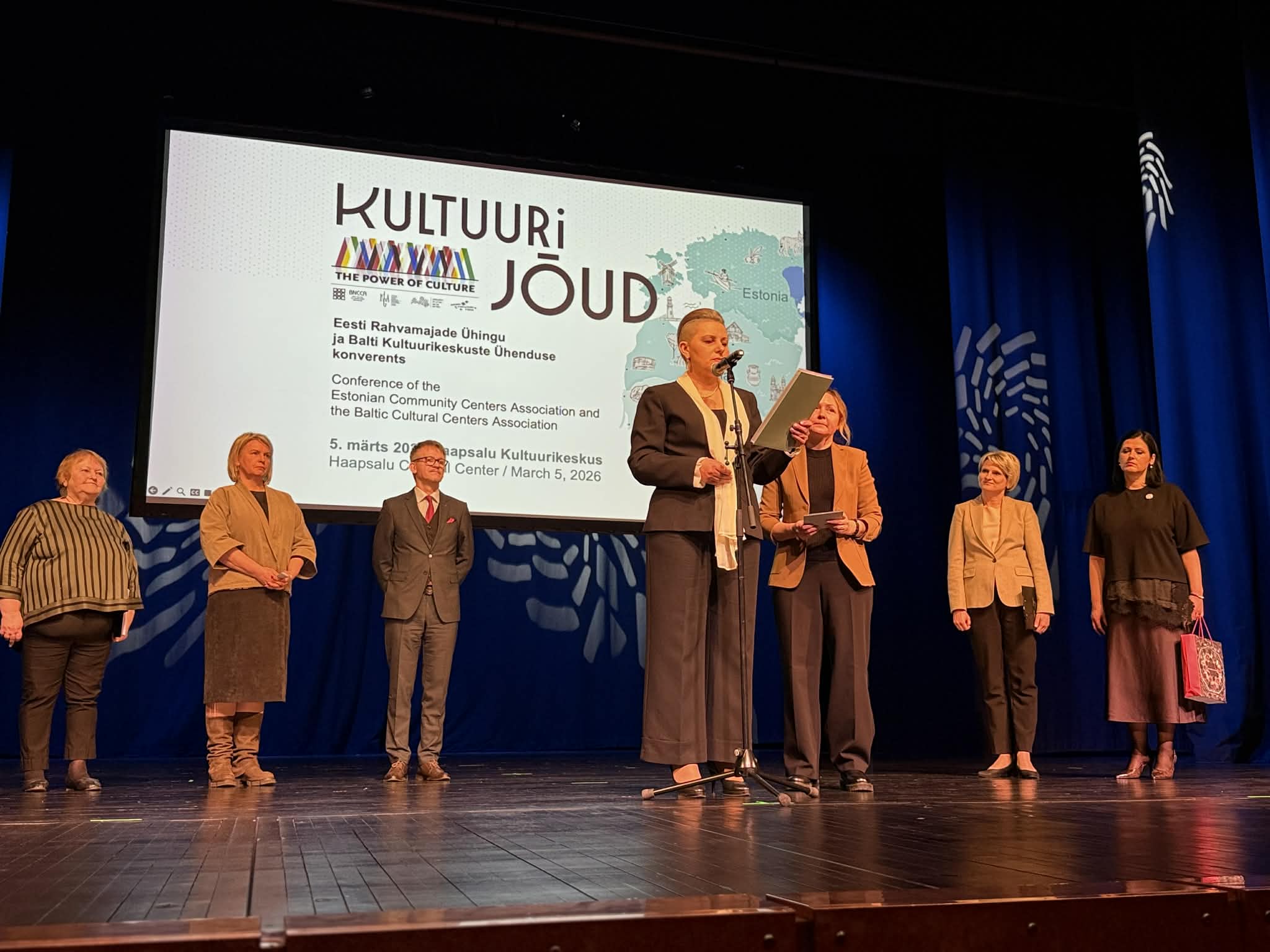
Konferenciją atidarė renginio moderatorius Hannes Hermaküla, sveikinimo žodžius tarė Hapsalu miesto savivaldybės atstovai bei trijų Baltijos šalių delegacijų atstovai. Sveikinimo kalboje Lietuvos delegacijos vardu kalbėjusi Lietuvos kultūros centrų asociacijos viceprezidentė Virginija Naudžiūtė pabrėžė kultūros svarbą visuomenės stiprybei „Kultūra nėra tik renginiai ar pramogos. Tai erdvė, kurioje formuojasi žmogaus sąmoningumas, vertybės ir bendruomenės stiprybė. Šiandien, kai pasaulis patiria daug įtampos, kultūros vaidmuo tampa ypač svarbus – ji stiprina pasitikėjimą, ugdo kritinį mąstymą ir padeda žmonėms jaustis reikalingiems bei išgirstiems.“
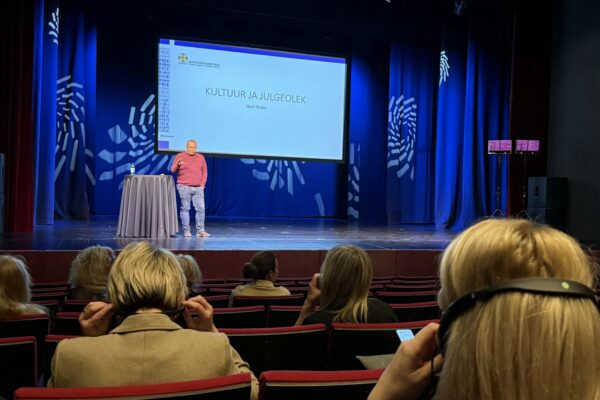
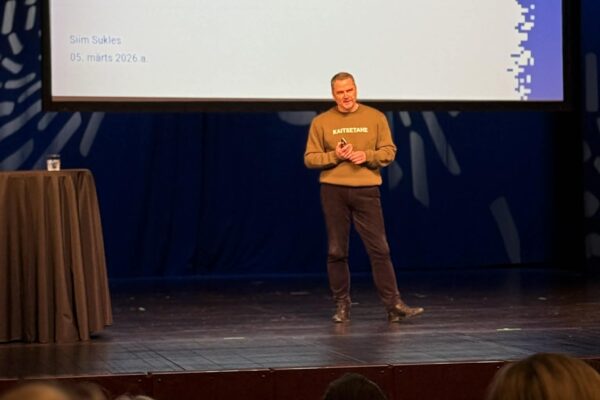
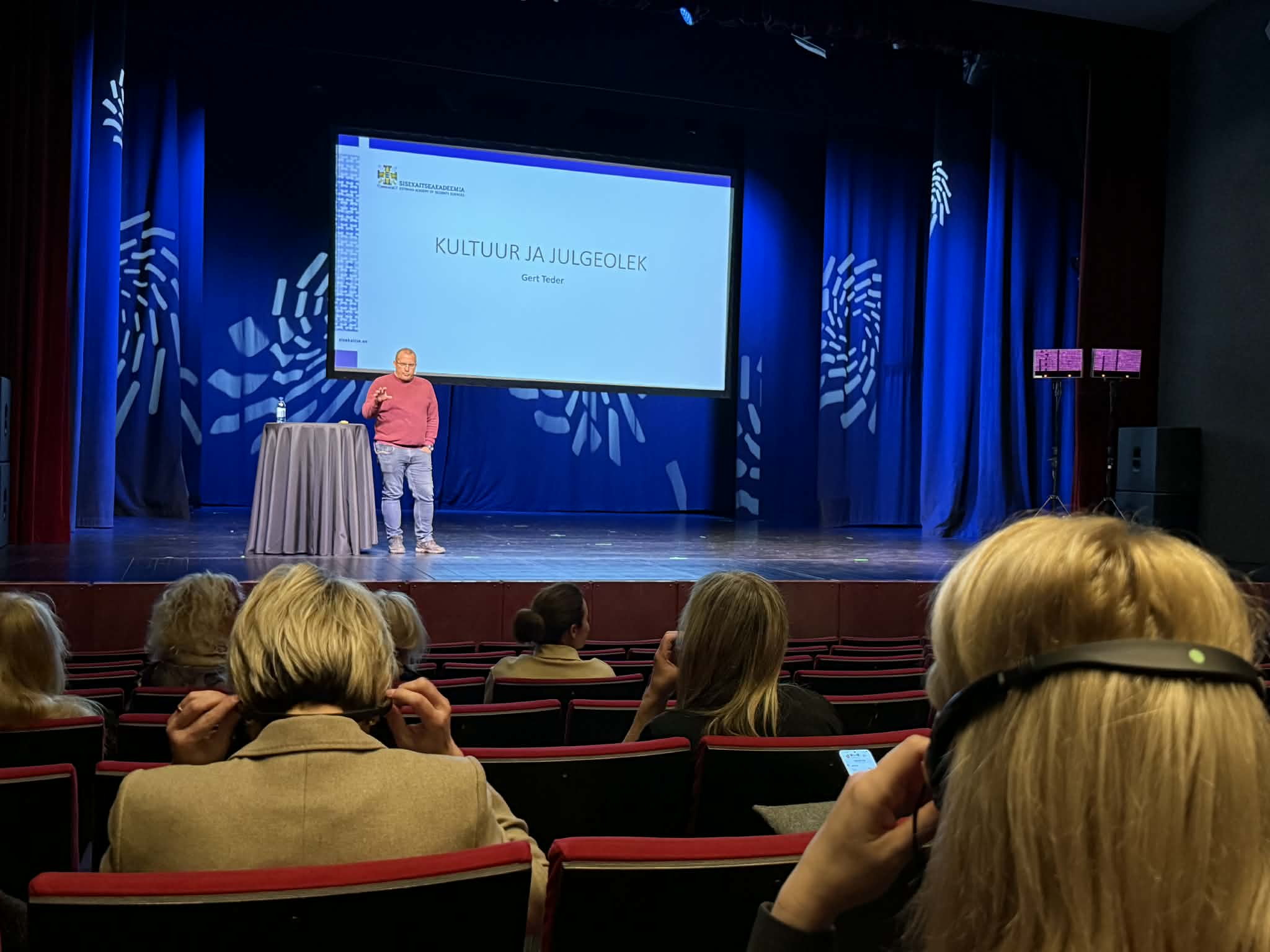
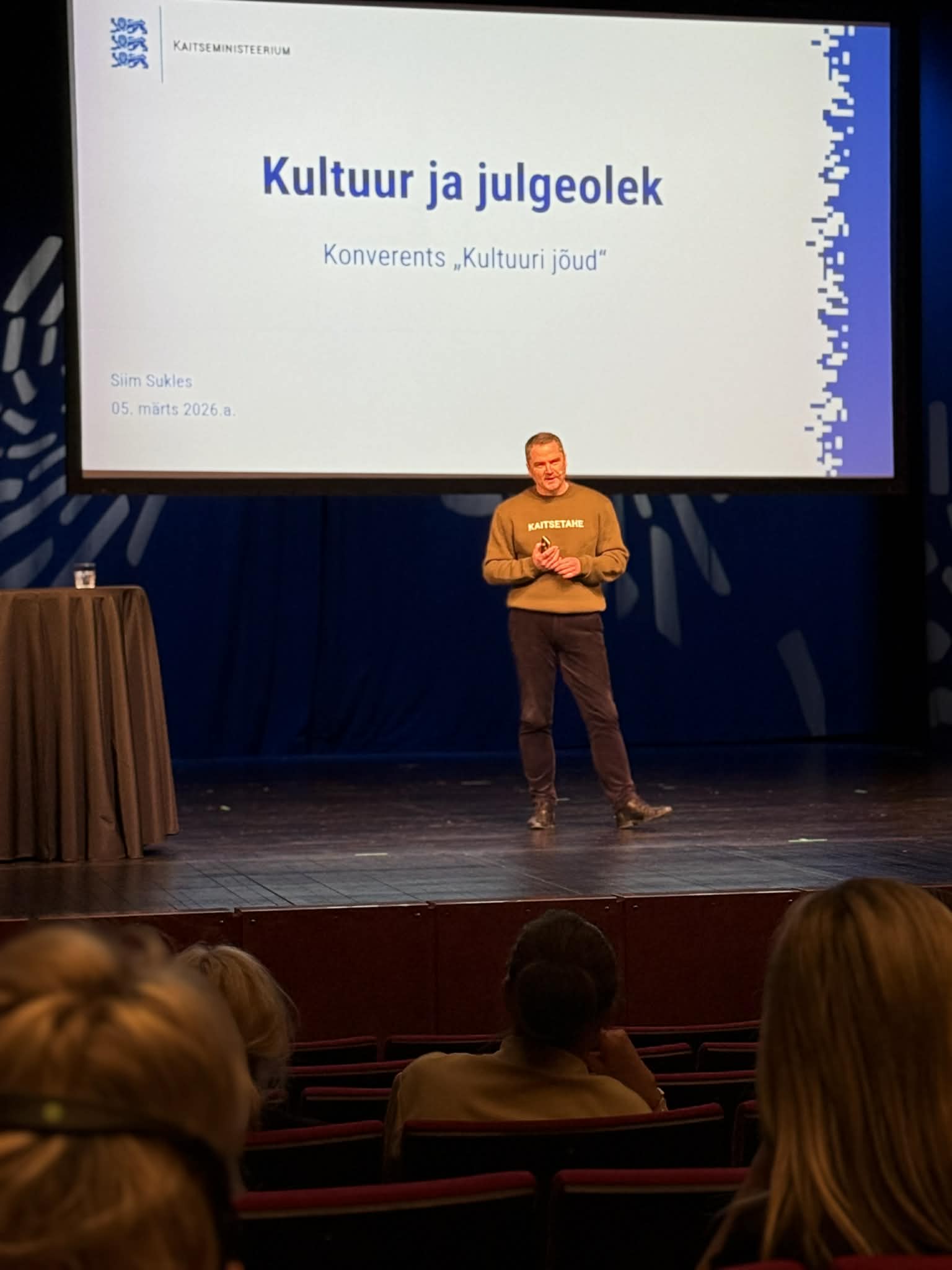
Intensyvios konferencijos dienos metu vyko pranešimai ir diskusijos tema „Kultūra ir saugumas“. Vidaus saugumo ekspertas Gert Teder pristatė bendruomenių vaidmenį krizių metu, o Estijos gynybos ministerijos atstovas Siim Sukles kalbėjo apie visuomenės pasirengimą ir bendruomenių įtraukimą į saugumo stiprinimo procesus.
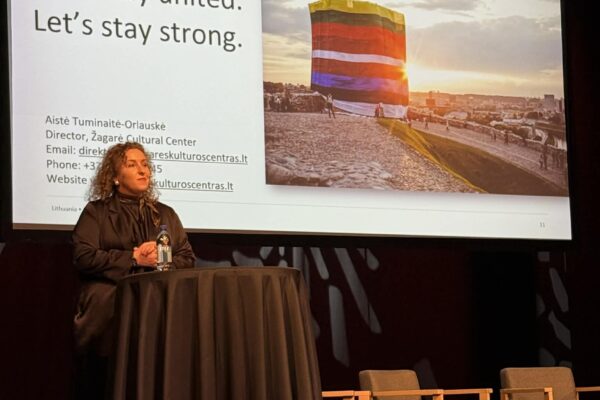
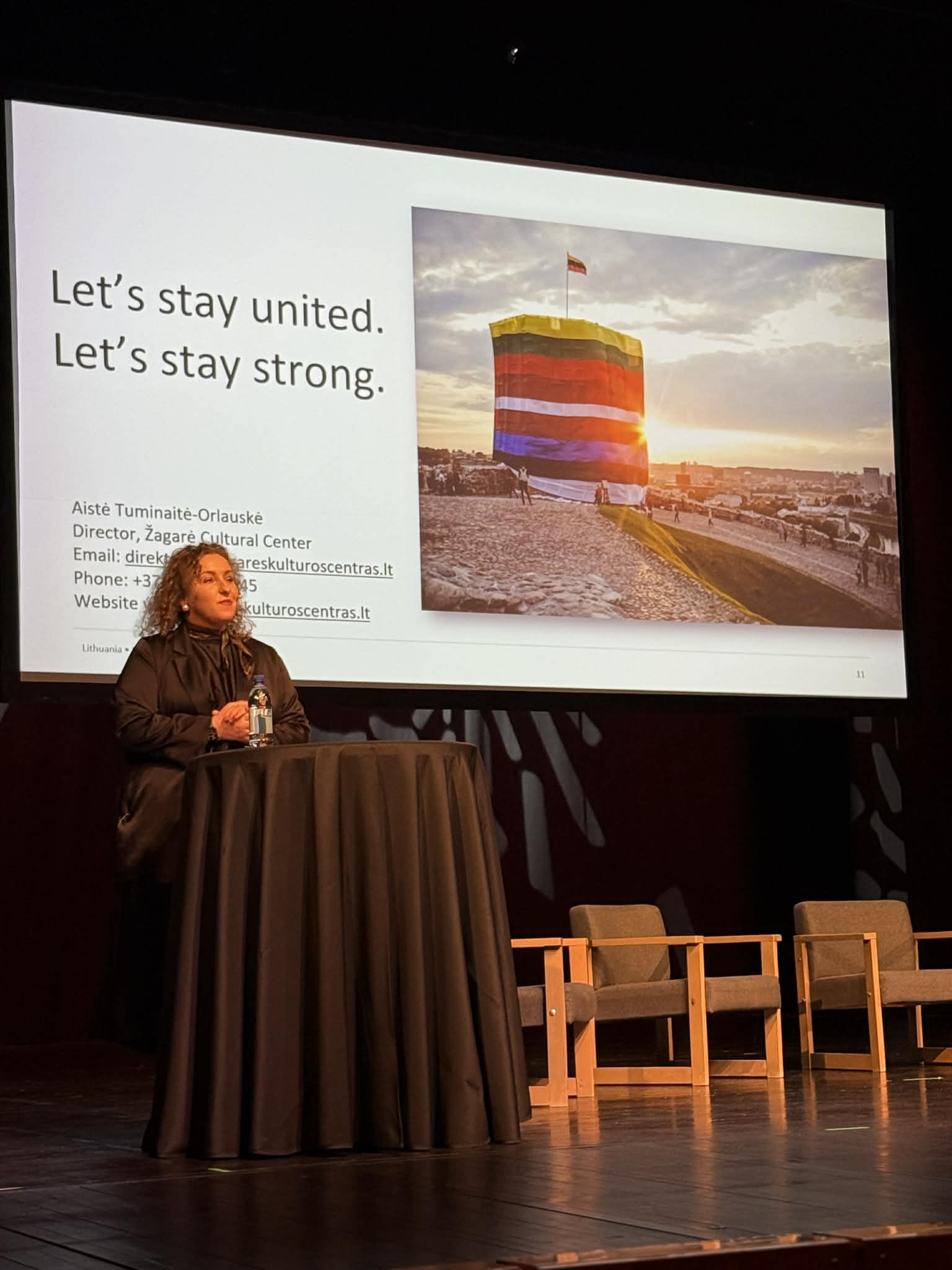
Delegacijų pranešimų sesijoje kultūros sektoriaus aktualijas pristatė Lietuvos, Latvijos ir Estijos atstovai. Žagarės kultūros centro direktorė Aistė Tuminaitė-Orlauskė skaitė pranešimą „Kultūros centrai kaip atsparumo erdvės: įžvalgos iš Lietuvos“, kuriame aptarė kultūros centrų vaidmenį stiprinant bendruomenių atsparumą. Pristatydama Lietuvos patirtį ji pabrėžė, kad kultūros centrai tampa svarbiomis bendruomenių telkimo vietomis „Kultūros centrai šiandien yra daugiau nei renginių erdvės – jie tampa bendruomenių susitikimo, dialogo ir pasitikėjimo kūrimo vietomis. Per kultūrą žmonės mokosi bendradarbiauti, kritiškai vertinti informaciją ir jaustis atsakingi už savo bendruomenę.“
Konferencijos metu taip pat vyko diskusija „Kultūros galia“, kurioje aptarta, kaip kultūros sektorius gali prisidėti prie socialinės sanglaudos, pilietiškumo ir demokratinių vertybių stiprinimo Baltijos šalyse.
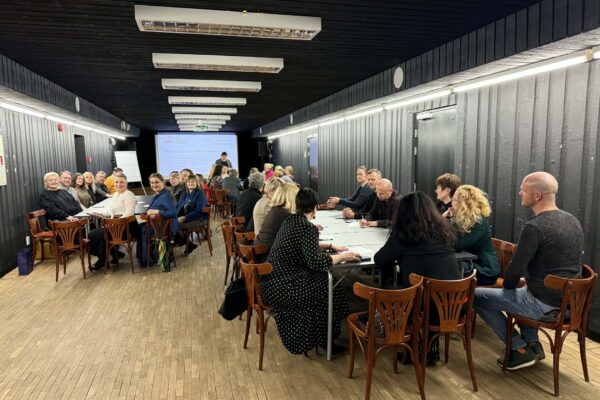
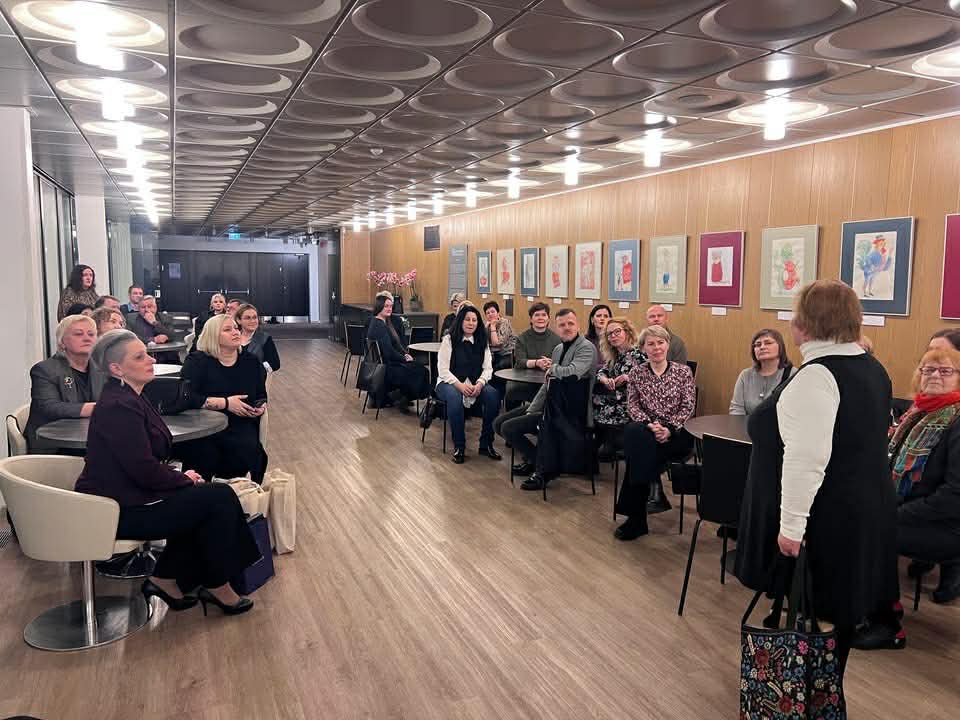
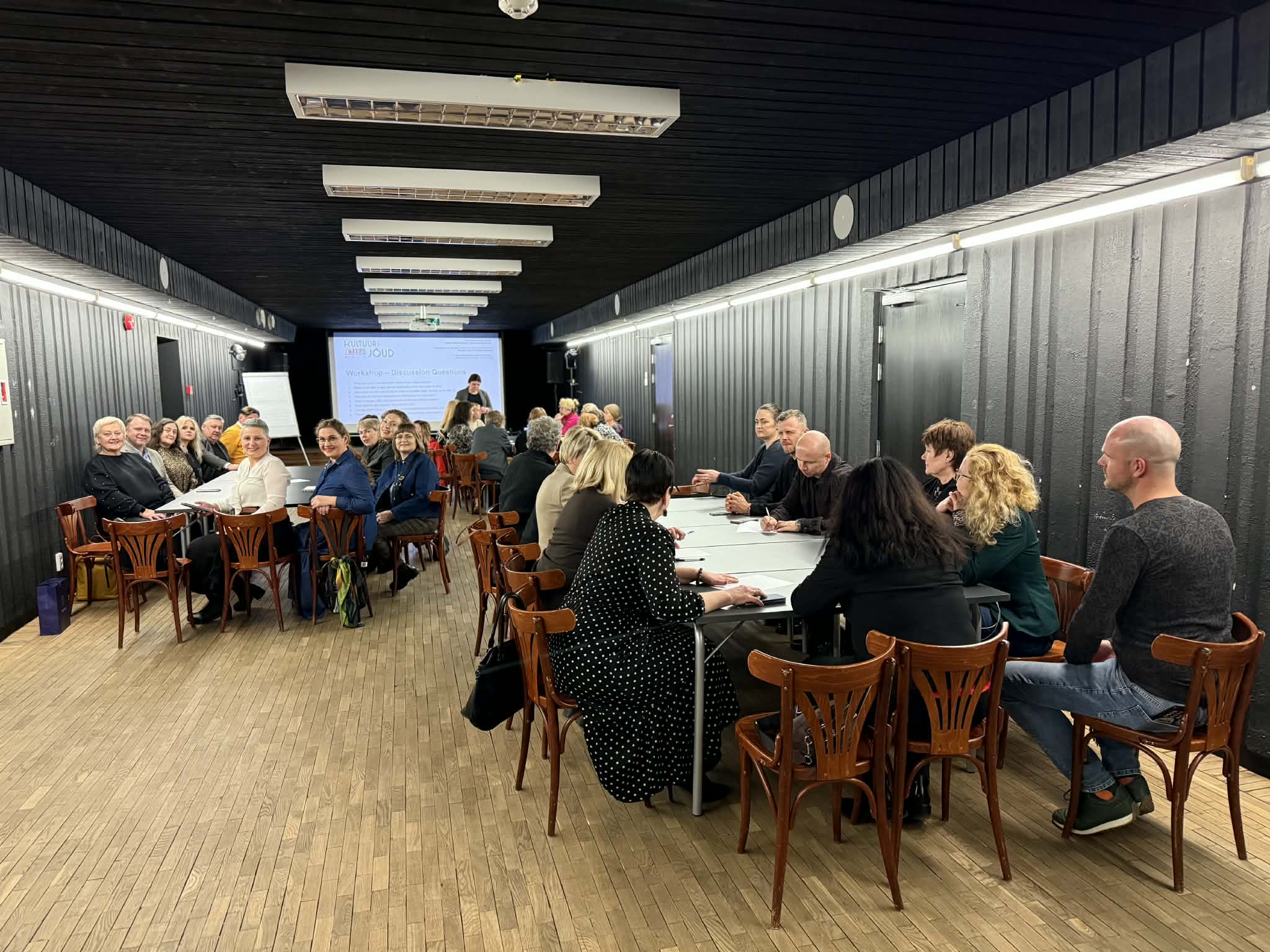
Susitikimo dalyviai dalijosi gerosiomis praktikomis, aptarė BNCCA tinklo veiklos kryptis bei tolimesnius projekto žingsnius. Taip pat vyko kūrybinės dirbtuvės, skirtos Baltijos kultūros centrų tinklo ateities planams ir bendradarbiavimo perspektyvoms.
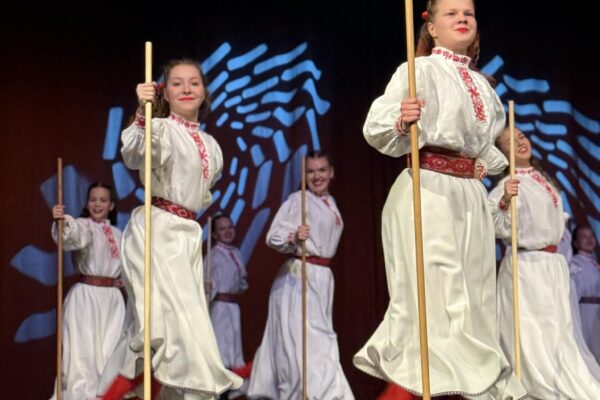
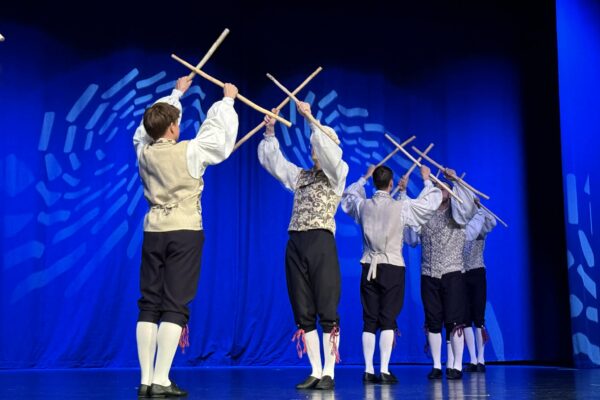
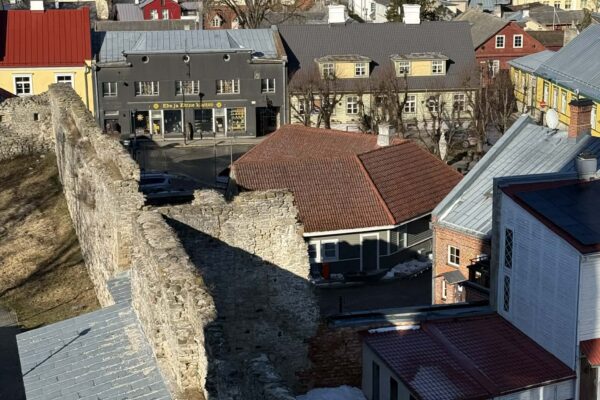
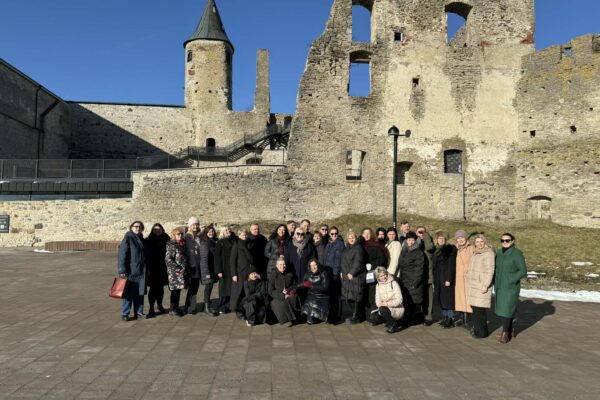
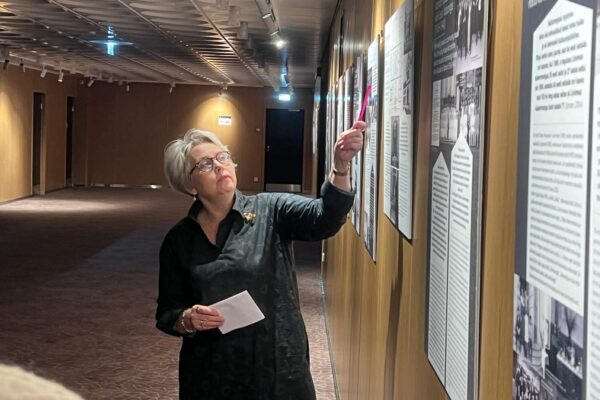
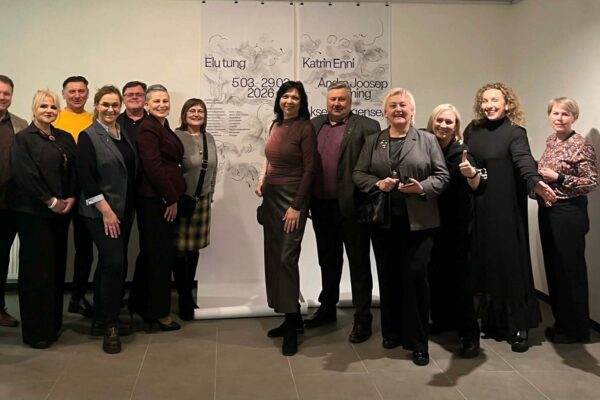
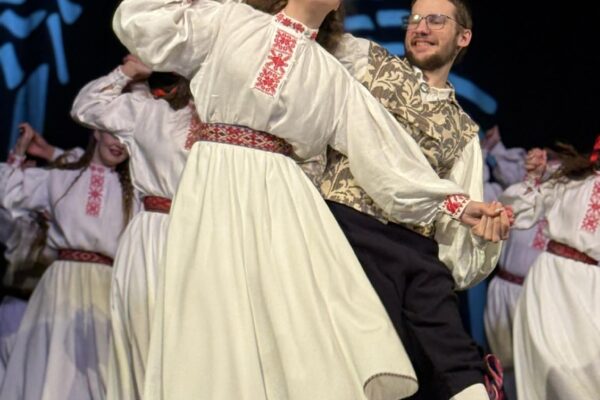
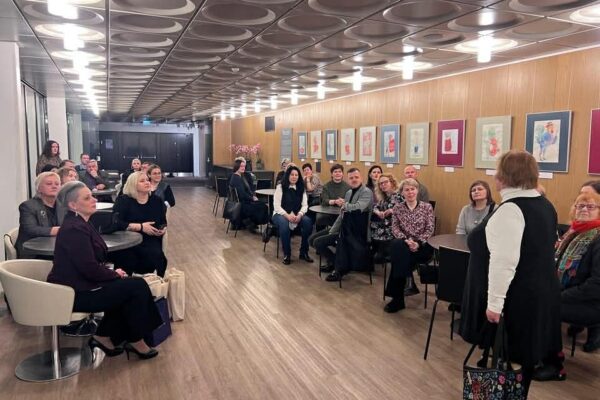
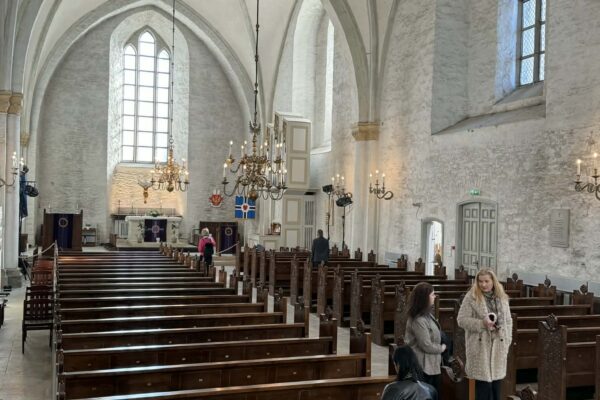
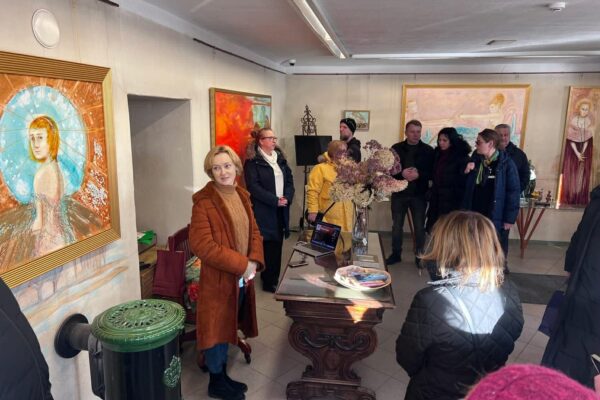
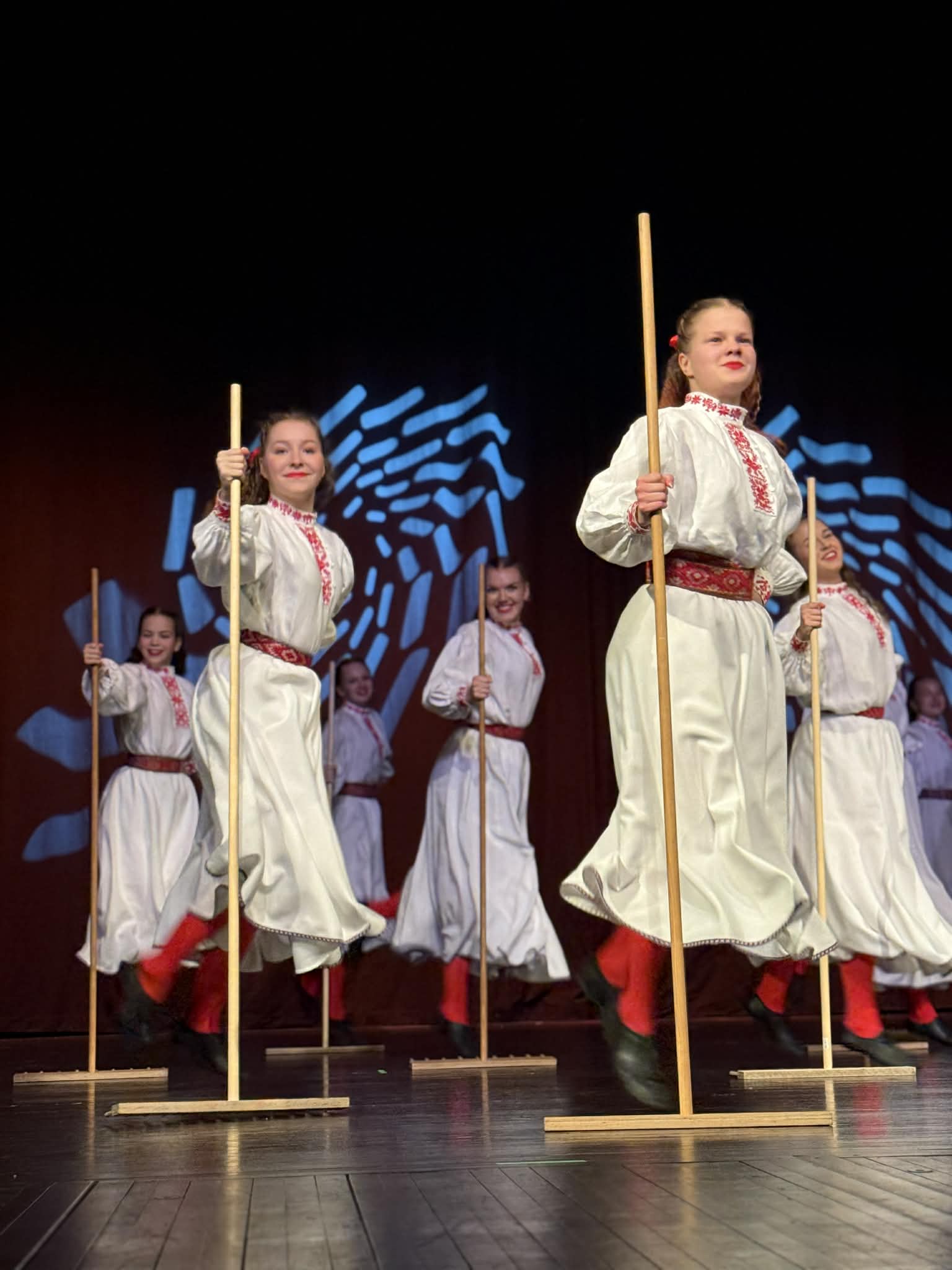
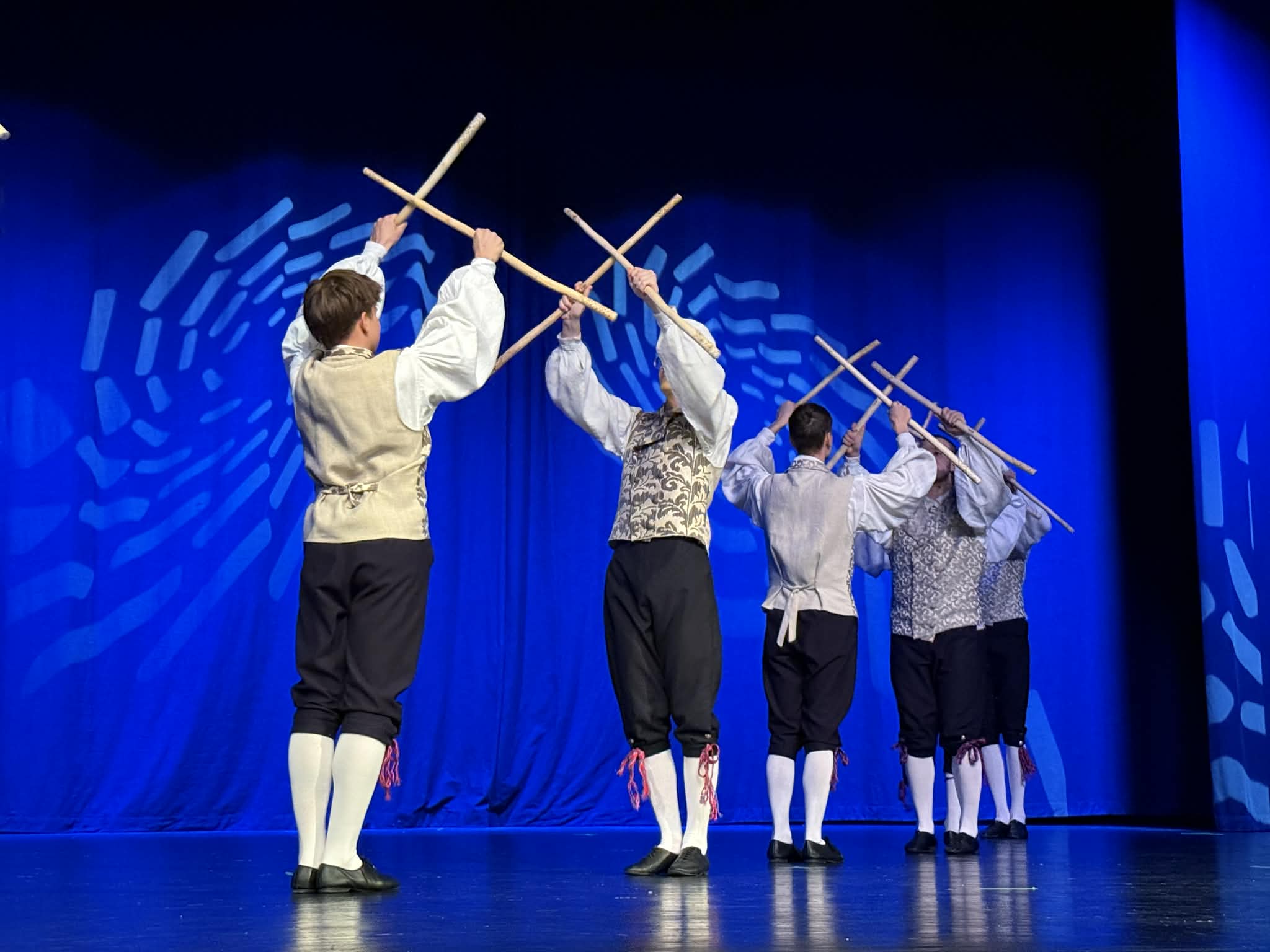
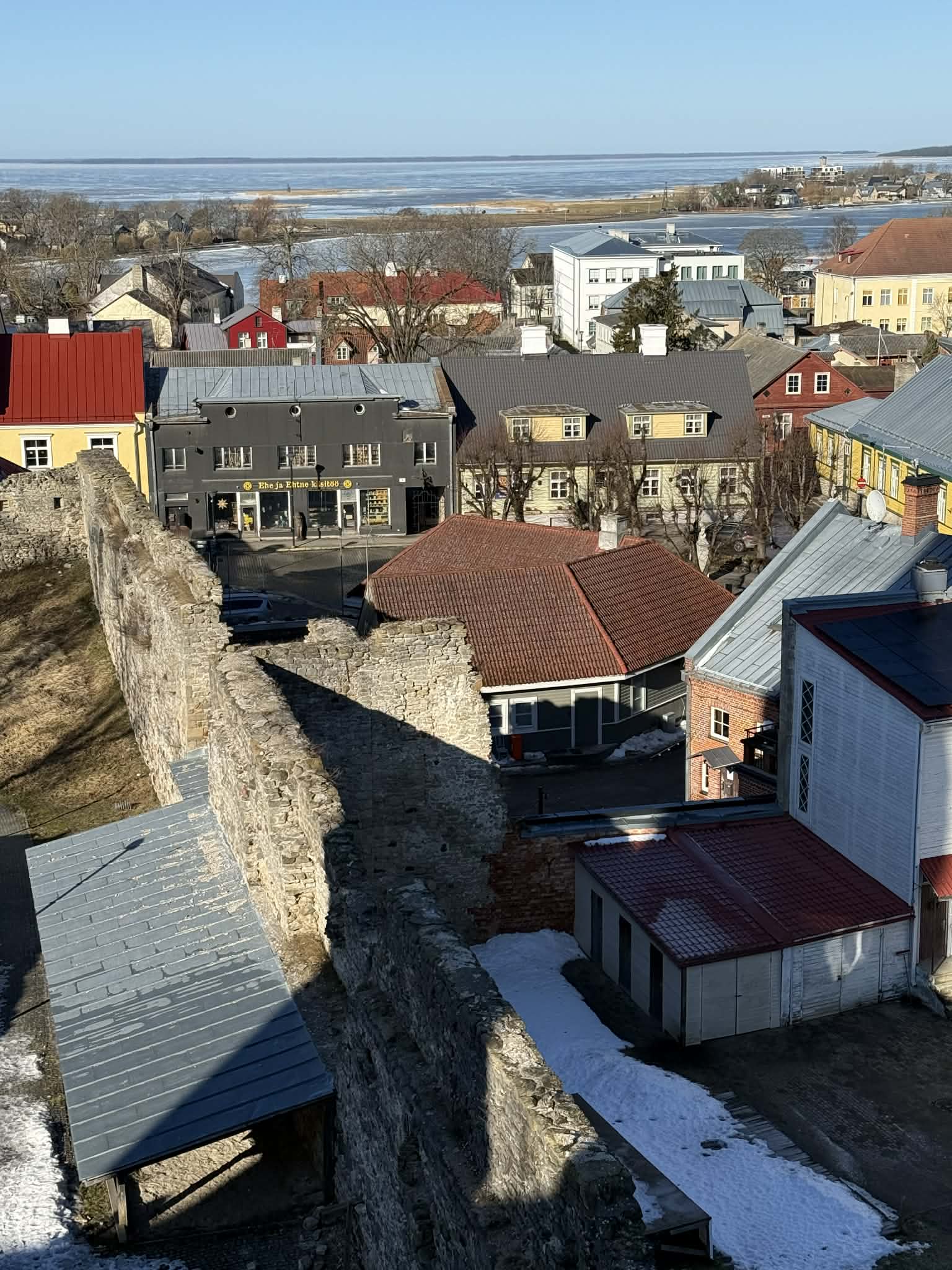
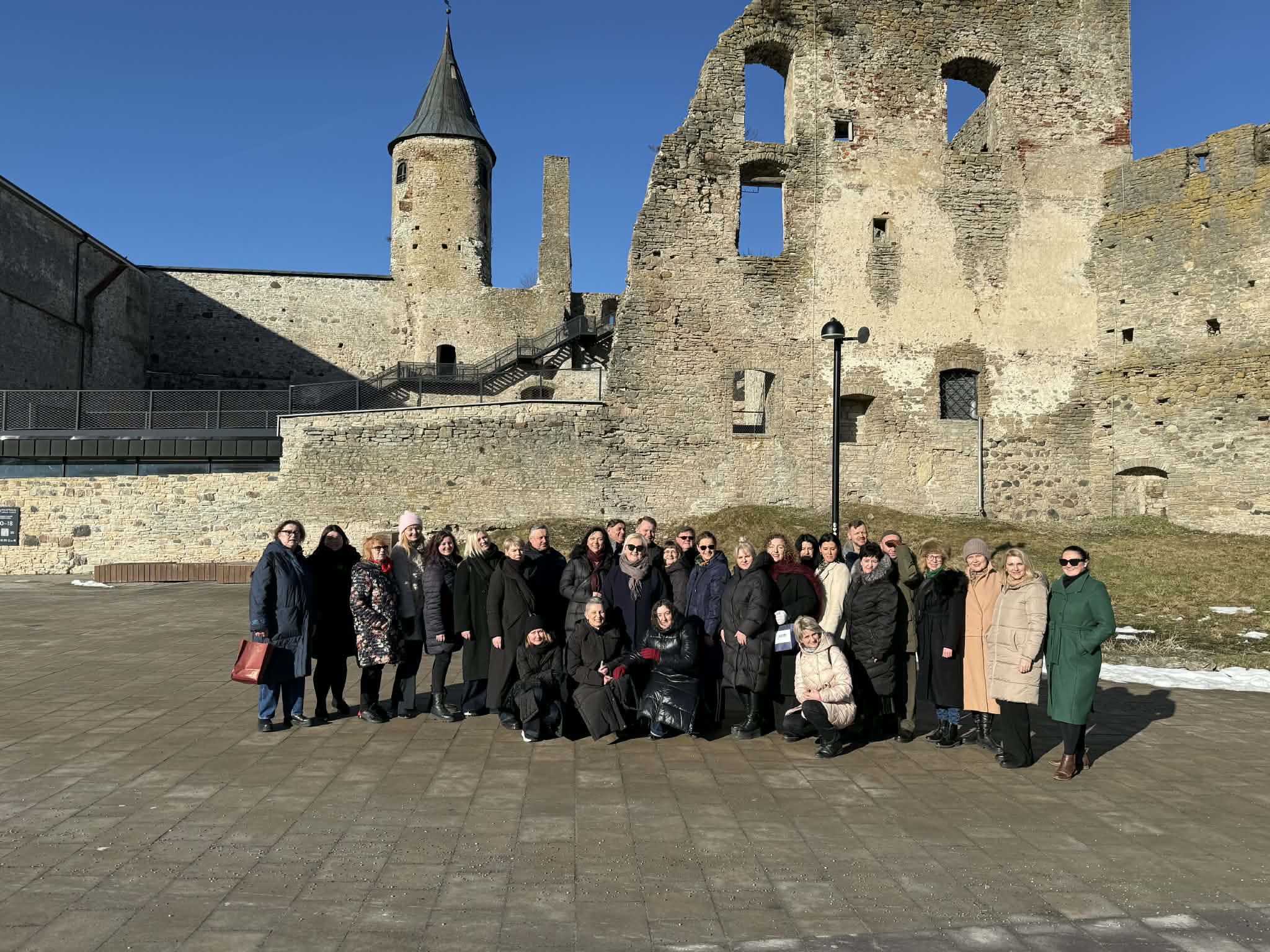
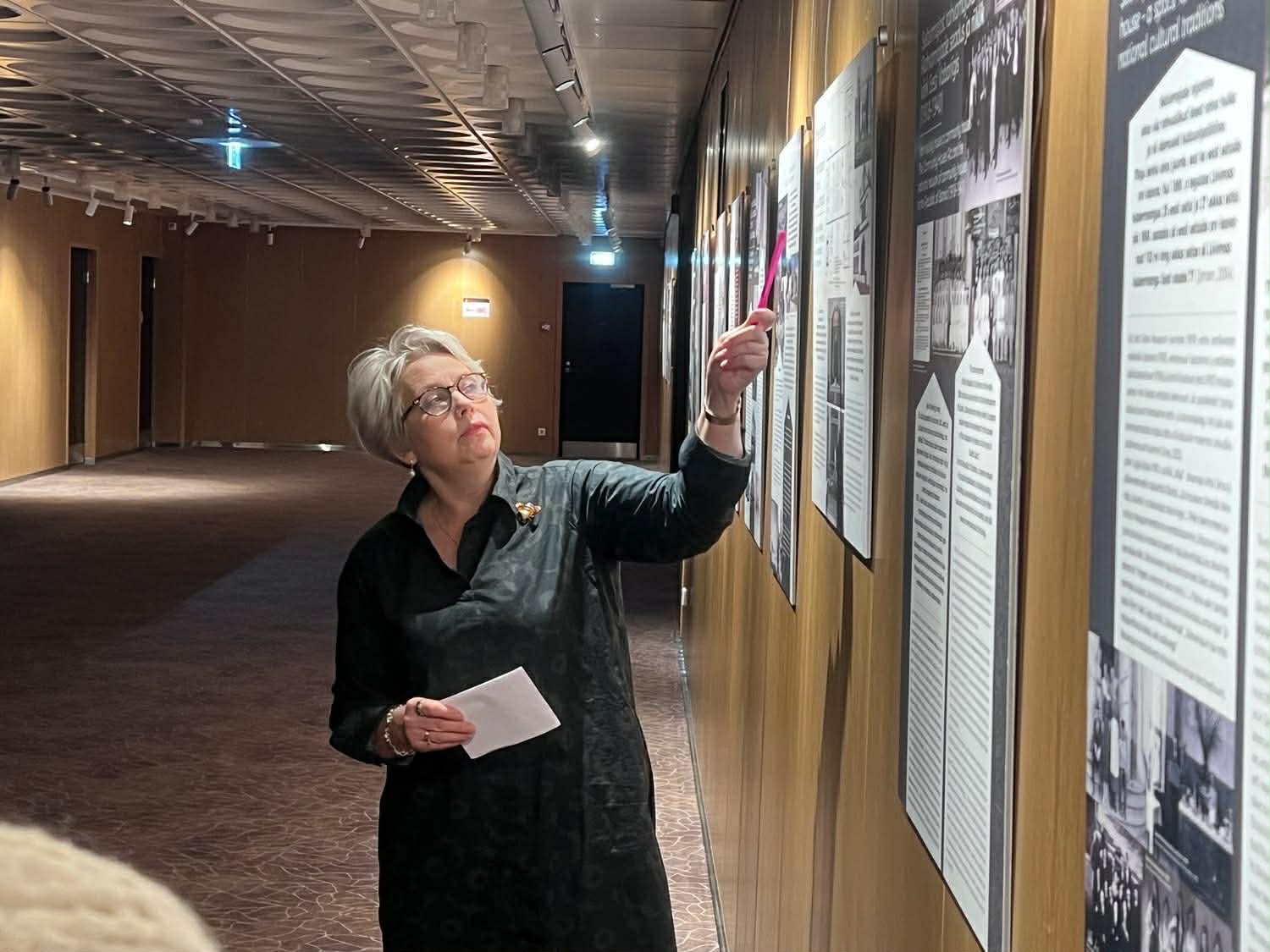
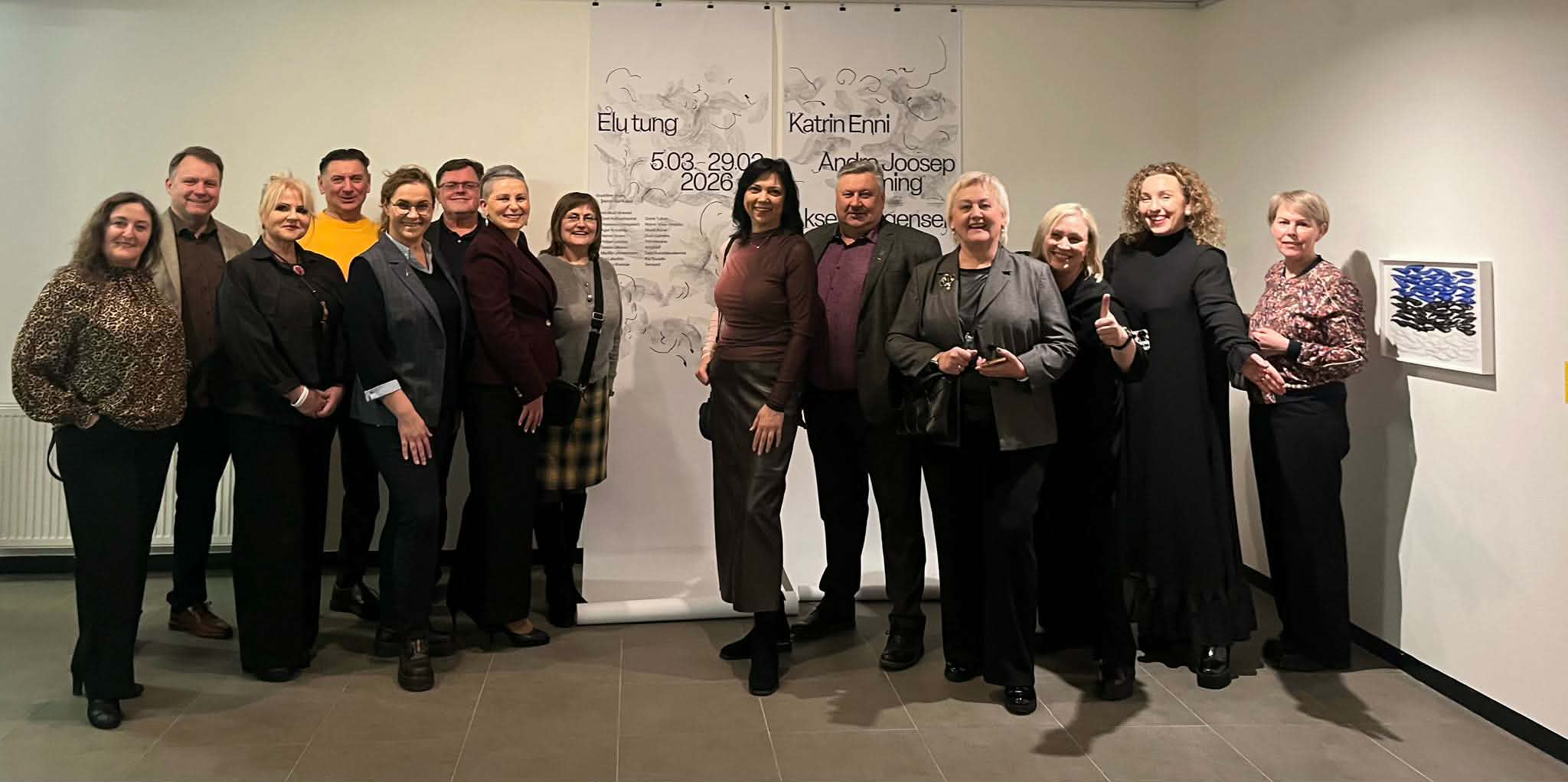
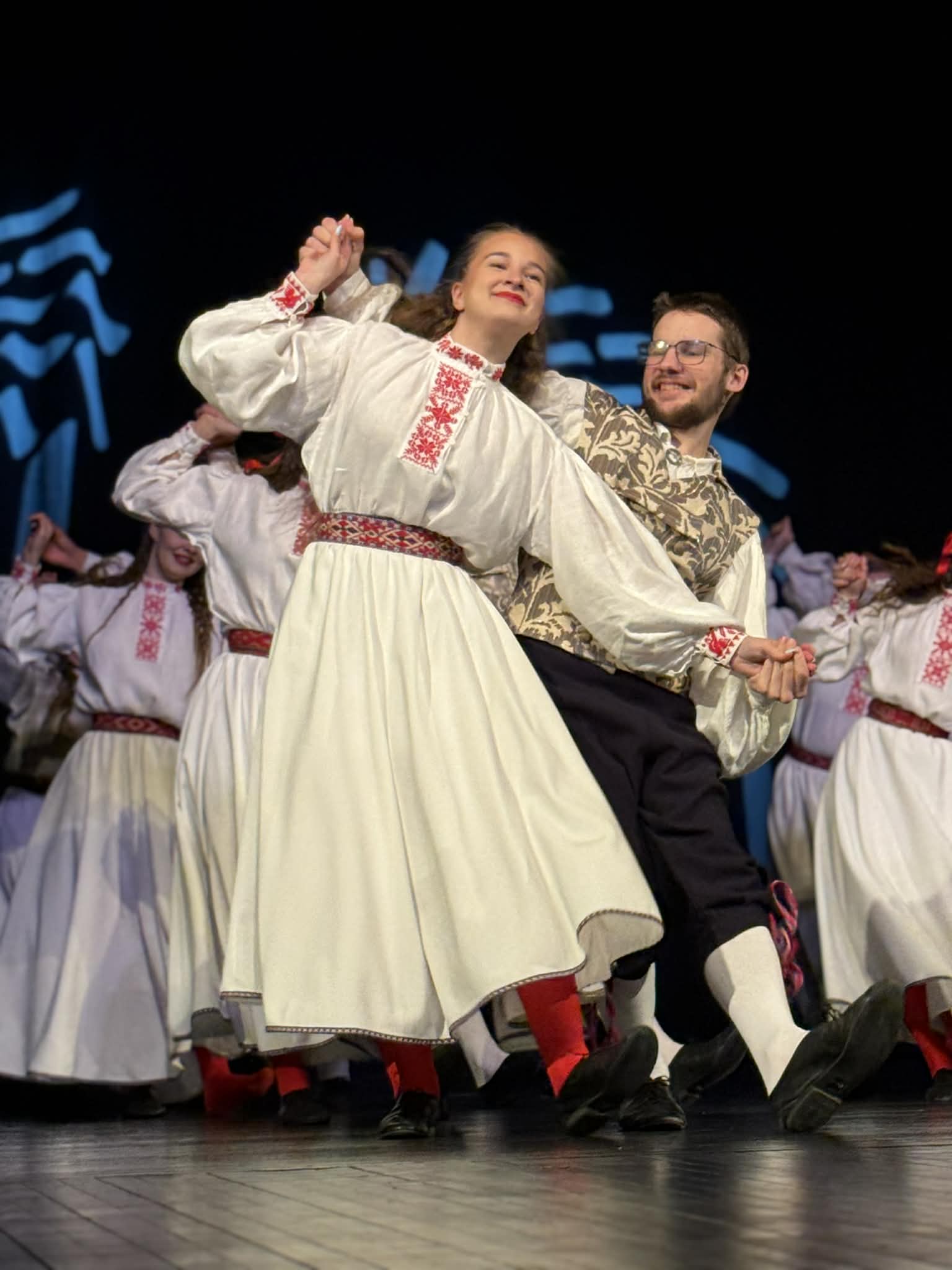
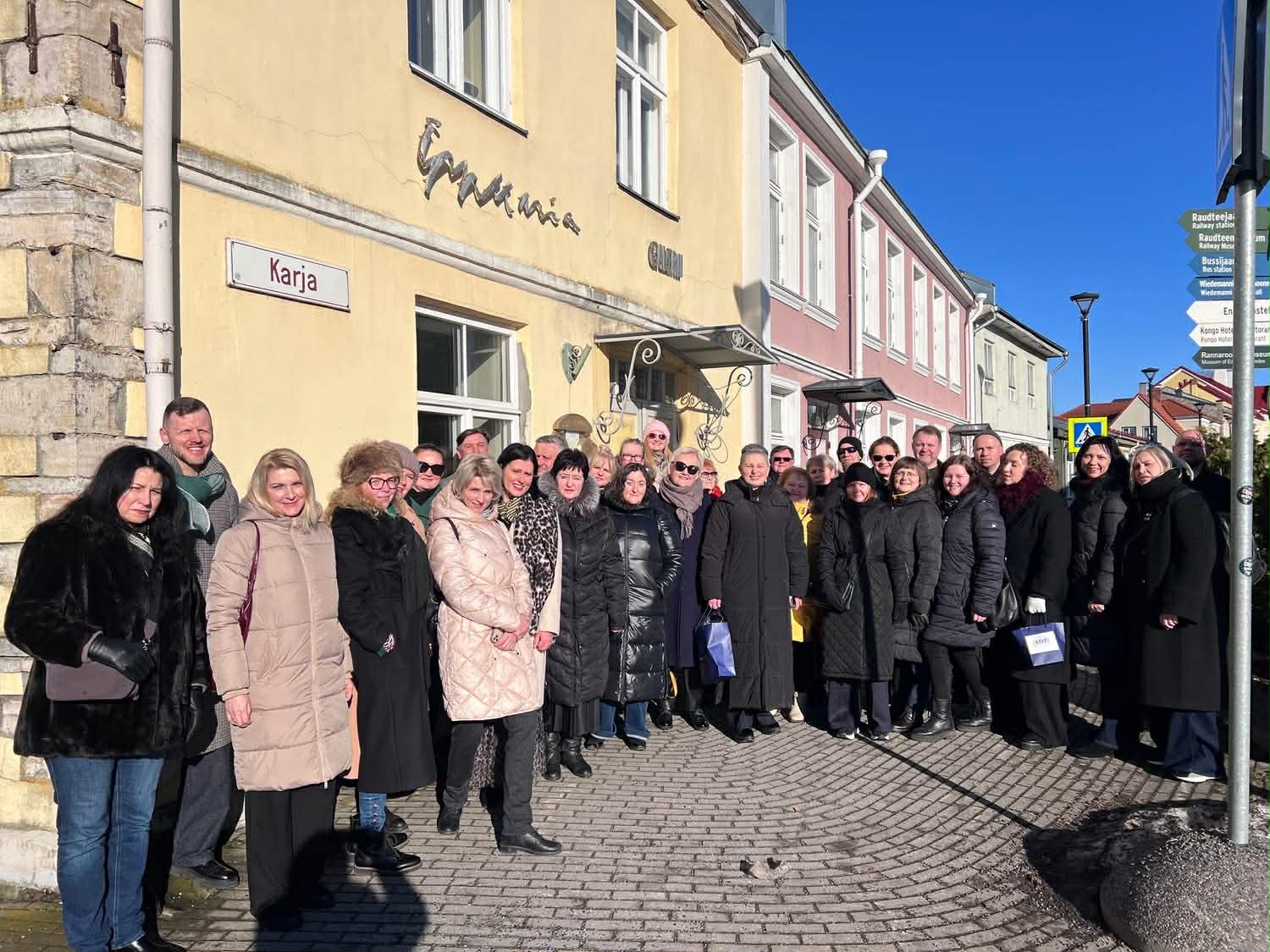
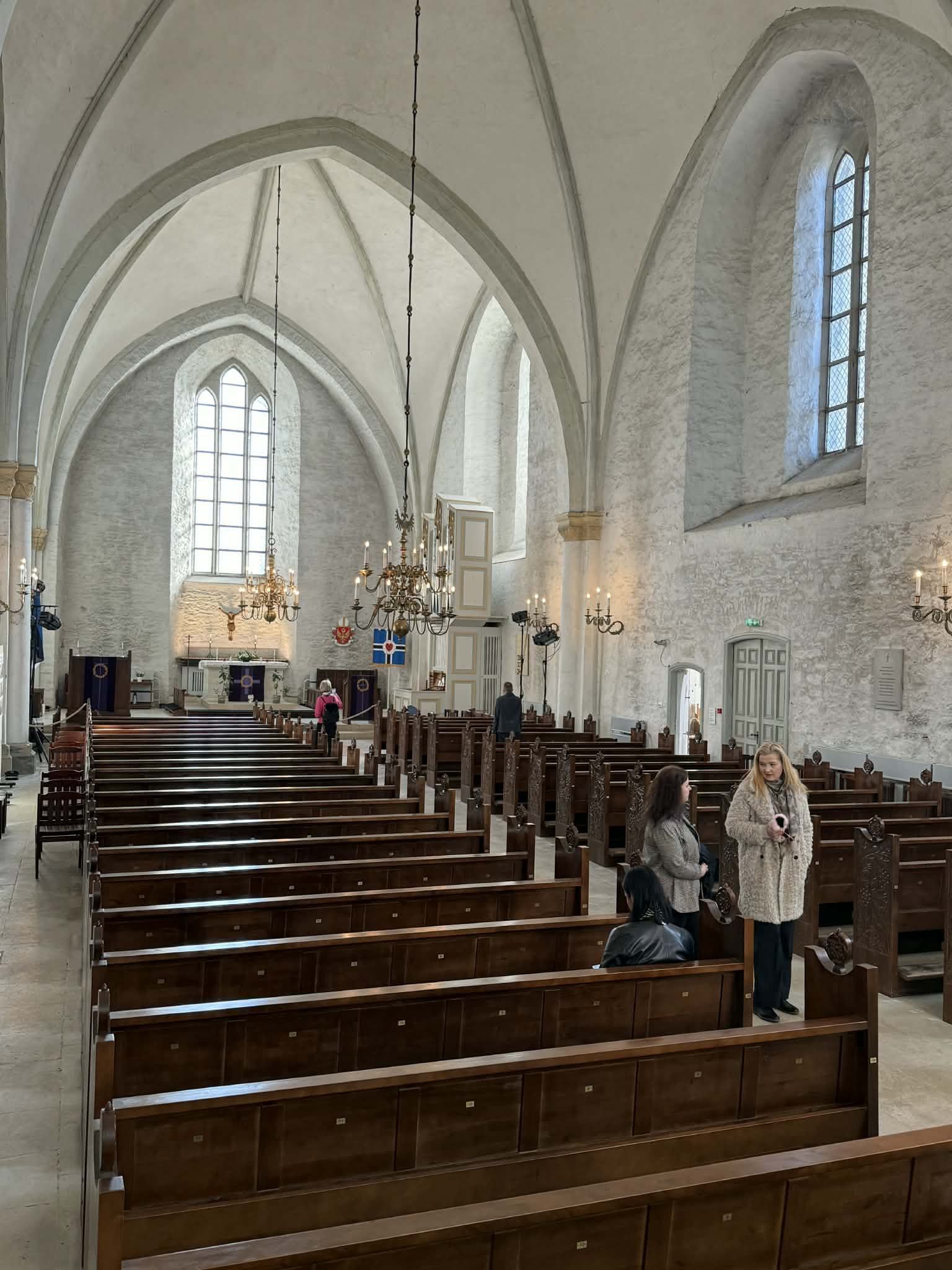
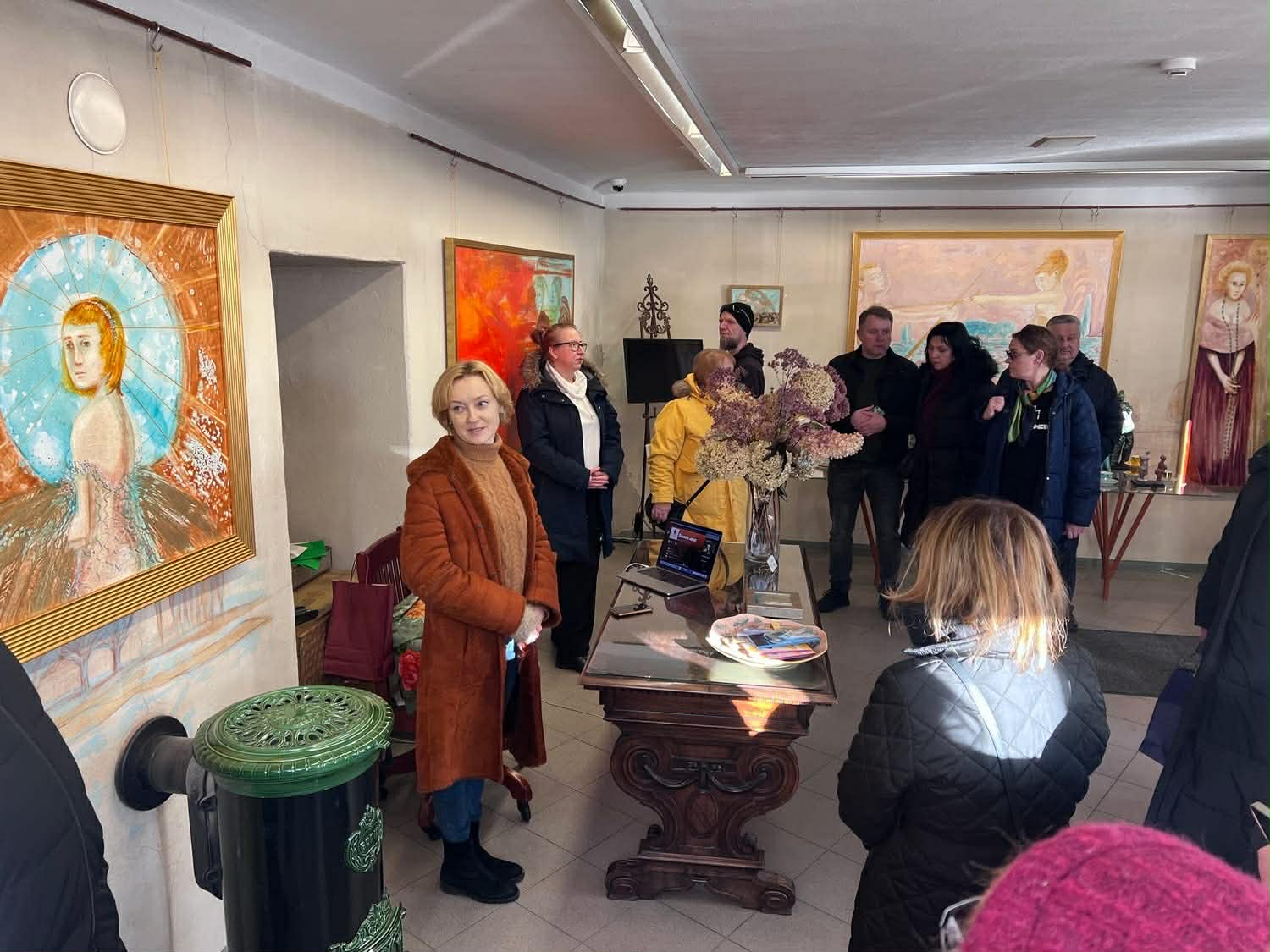
Trijų dienų programa buvo intensyvi ir turininga – šalia darbinės veiklos dalyviai turėjo progą susipažinti ir su turtingu Hapsalu kultūriniu gyvenimu. Svečiai grožėjosi Estijos liaudiškų šokių kolektyvo pasirodymu, aplankė Hapsalu miesto galeriją, Epp Maria Kokamägi galeriją bei istorinę Hapsalu vyskupo pilį. Taip pat konferencijos dalyviai turėjo galimybę susipažinti ir su Egge Kulbok-Lattik paroda, pasakojančia apie Estijos bendruomenių namų istoriją bei jų vaidmenį formuojant vietos kultūrinį ir visuomeninį gyvenimą.
Kitas projekto „Kultūros galia“ partnerių susitikimas numatomas 2026 m. balandžio 23–25 dienomis Palangoje (Lietuva). Jo metu planuojama tęsti diskusijas apie kultūros ir politikos sąveiką, bendradarbiavimo galimybes bei kultūros centrų vaidmenį stiprinant visuomenės atsparumą.
Projekto veiklos tęsis iki 2026 m. birželio 30 d.
Informaciją teikia Lietuvos kultūros centrų asociacijos viceprezidentė Virginija Naudžiūtė, mob. +370 695 40 994, e. p. virginija.naudziute@prienaikc.lt
THE BALTIC NETWORK OF CULTURAL CENTRES (BNCCA): THE ROLE OF CULTURAL CENTRES IN SOCIETAL RESILIENCE DISCUSSED IN ESTONIA
From 3-6 March 2026, the cities of Šiauliai (Lithuania) and Haapsalu (Estonia) hosted the second partner meeting-conference of the project “The Power of Culture”. The event brought together representatives of cultural centres from Lithuania, Latvia, and Estonia. During the meeting, participants discussed ways to strengthen the role of cultural centres, explored opportunities for closer cooperation among the Baltic states, and reflected on the importance of culture in fostering societal resilience in the context of today’s geopolitical and information challenges.
The project was initiated and is administered by the Association of Lithuanian Cultural Centres, with partners including the Association of Latvian Cultural Centres and the Association of Estonian Cultural Centres. The project has received network funding from the Nordic-Baltic Mobility Programme for Culture to establish the Baltic Cultural Centres Network project “The Power of Culture”. “The Power of Culture” aims to strengthen cooperation among cultural centres across the Baltic states, encourage the exchange of professional expertise, and promote a shared dialogue on cultural policy within the Baltic region.
The meeting began at the Šiauliai Cultural Centre, where Lithuanian project participants shared their experience of international cooperation among Lithuania’s cultural centres and discussed the operational priorities of the Baltic Network of Cultural Centre Associations (BNCCA). Later, the Lithuanian delegation travelled to Estonia, where the Haapsalu Cultural Centre hosted the conference “The Power of Culture,” dedicated to the cultural and societal security. The conference brought together 15 members of the cultural community from each of the partner countries.
The conference was opened by the event moderator Hannes Hermaküla. Welcome remarks were delivered by representatives of the Haapsalu City Municipality and members of the three Baltic delegations. Speaking on behalf of the Lithuanian delegation, Virginija Naudžiūtė, Vice-President of the Association of Lithuanian Cultural Centres, highlighted the vital role of culture in strengthening society: “Culture is not merely a series of events or forms of entertainment. It is a space where individual awareness, values, and the strength of community are shaped. Today, as the world faces growing tensions, the role of culture becomes particularly important – it builds trust, nurtures critical thinking, and helps people feel needed and heard”.
During an intensive day of the conference, presentations and discussions were held under the theme “Culture and Security”. Internal security expert Gert Teder presented insights into the role of communities during times of crisis, while Siim Sukles, a representative of the Estonian Ministry of Defence, spoke about public preparedness and the importance of involving communities in strengthening security processes.
In the session dedicated to delegation presentations, representatives from Lithuania, Latvia, and Estonia addressed current issues facing the cultural sector. Aistė Tuminaitė-Orlauskė, Director of the Žagarė Cultural Centre, delivered a presentation titled “Cultural Centres as Spaces of Resilience: Insights from Lithuania,” in which she discussed the role of cultural centres in strengthening community resilience. When presenting Lithuania’s experience, she emphasized that cultural centres are becoming important hubs for bringing communities together: “Today, cultural centres are more than venues for events – they are places where communities meet, engage in dialogue, and build trust. Through culture, people learn to cooperate, critically assess information, and feel responsible for their community”.
During the conference, a discussion titled “The Power of Culture” also took place, exploring how the cultural sector can contribute to strengthening social cohesion, civic engagement, and democratic values across the Baltic states.
Participants shared examples of good practice, discussed the strategic directions of the BNCCA, and outlined the next steps of the project. Creative workshops were also held, focusing on the future plans of the Baltic cultural centres network and prospects for continued cooperation.
The three-day programme was intensive and enriching. Alongside the working sessions, participants had the opportunity to learn about the rich cultural life of Haapsalu. Guests enjoyed a performance by an Estonian Folk Dance Ensemble, visited the Haapsalu City Gallery, the Epp Maria Kokamägi Gallery, and the historic Haapsalu Episcopal Castle. Conference participants also had the opportunity to explore an exhibition by Egge Kulbok-Lattik, which presents the history of Estonia’s community houses and their role in shaping local cultural and social life.
The next partner meeting of the project “The Power of Culture” is scheduled for 23-25 April 2026, in Palanga (Lithuania). The meeting will continue discussions on the interaction between culture and policy, opportunities for cooperation, and the role of cultural centres in strengthening societal resilience.
Project activities will continue until 30 June 2026.
For more information: Virginija Naudžiūtė, Vice-President of the Association of Lithuanian Cultural Centres, mobile: +370 695 40 994, email: virginija.naudziute@prienaikc.lt